
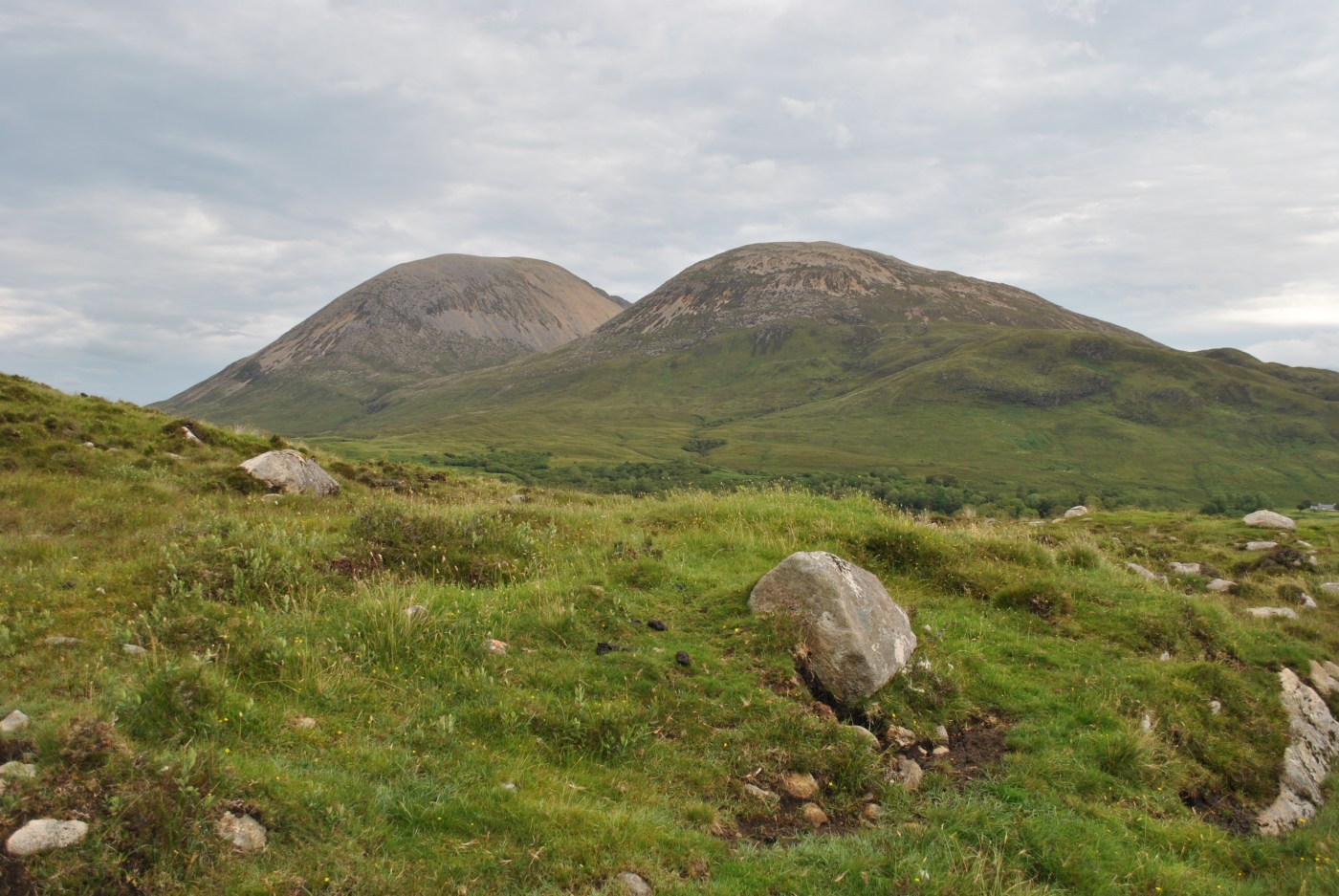
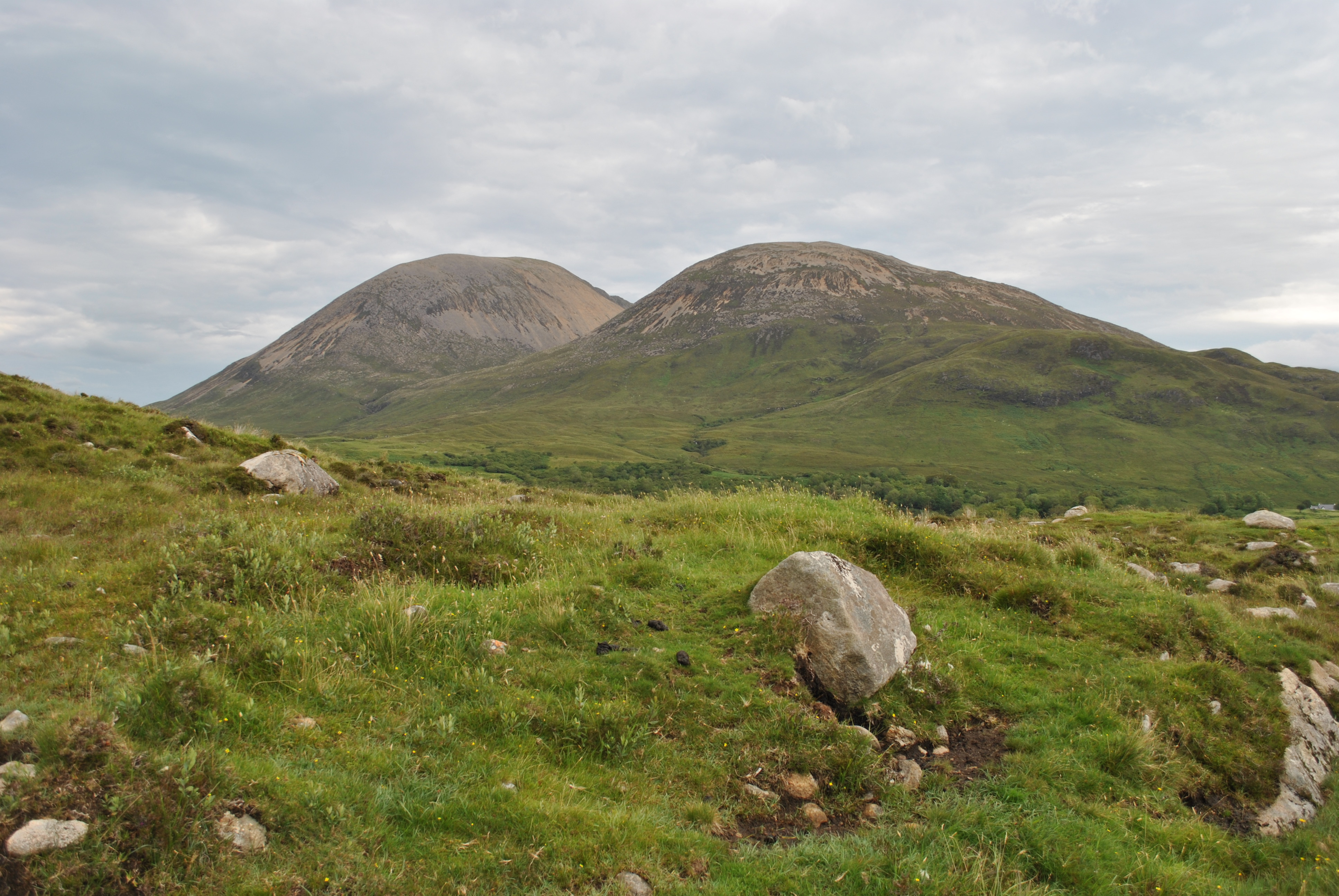
Kilbride on the Isle of Skye is now not more than a few scattered houses, sheep and a working quarry in Strath Swordale but it once was a place of worship, magic and ritual. And it was very much a place for women or at least a place where women left their mark.
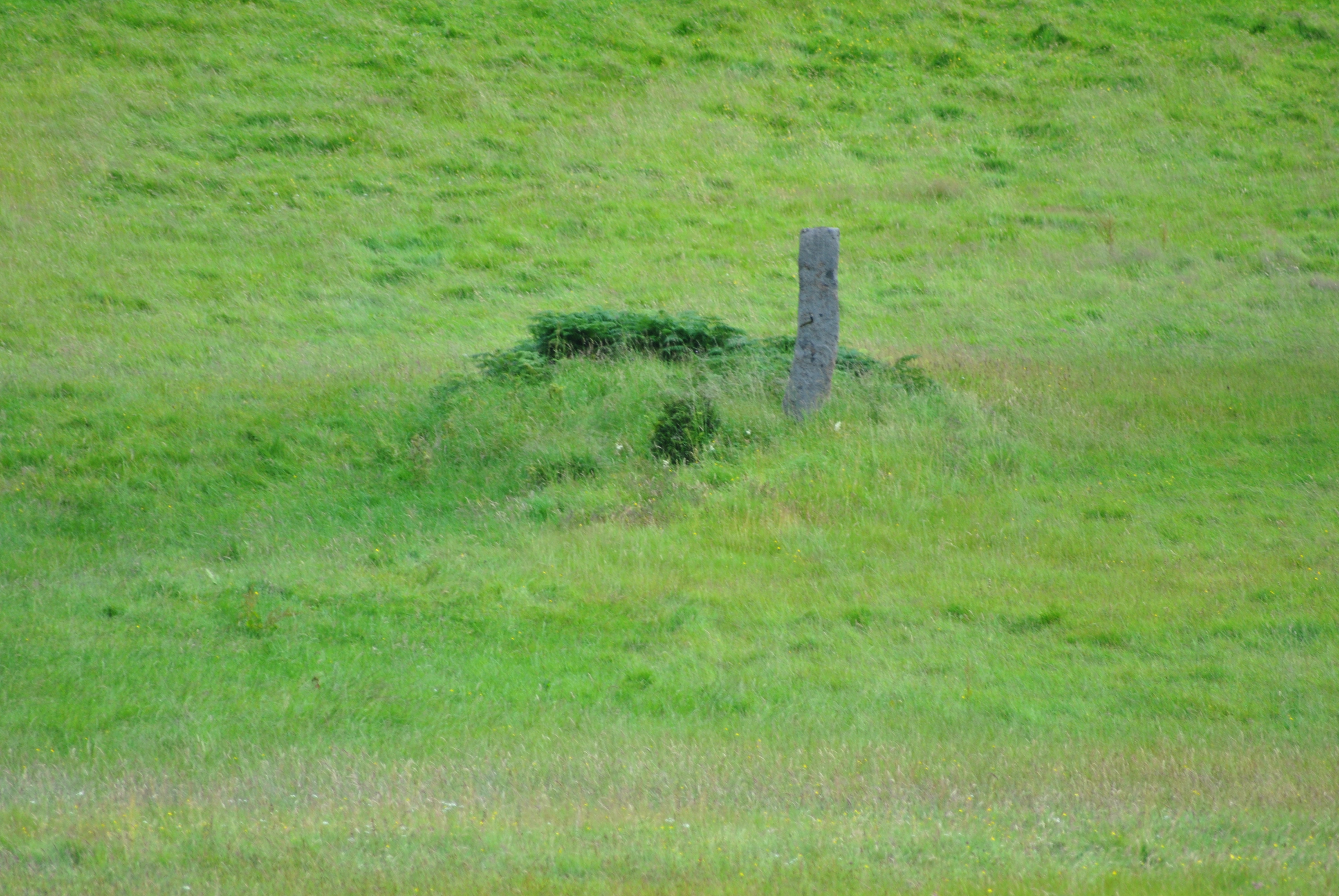
the abess’s chapel
As is fairly obvious because of its name, there once stood a chapel in Kilbride, the Cille Bhrìghde in Gaelic, the church of Saint Bride, the famous Brigid who like so many other saints in Scotland came from Ireland some time in the late 5th, early 6th century. There are no traces left of the ancient chapel that once stood here, dedicated to the abbess, nor of a graveyard belonging to it. The existence of this Celtic place of worship lives on in the name given to the standing stone nearby, the Clach na h-Annait, the stone of the chapel.
the mother in the cave
Saint Brigid was not the first to be worshipped here. Archeologist have found traces of a settlement and burials in High Pasture Cave in Kilbride that go back about 2700 years. Iron Age roundhouses are common in the area around Kilbride. Excavations, now filled back in again, revealed three graves, a woman, a fetus and a child. Why they were interred here and who they were is impossible to tell. This woman has left no mark, nor did the children but the cave was probably used for rituals.
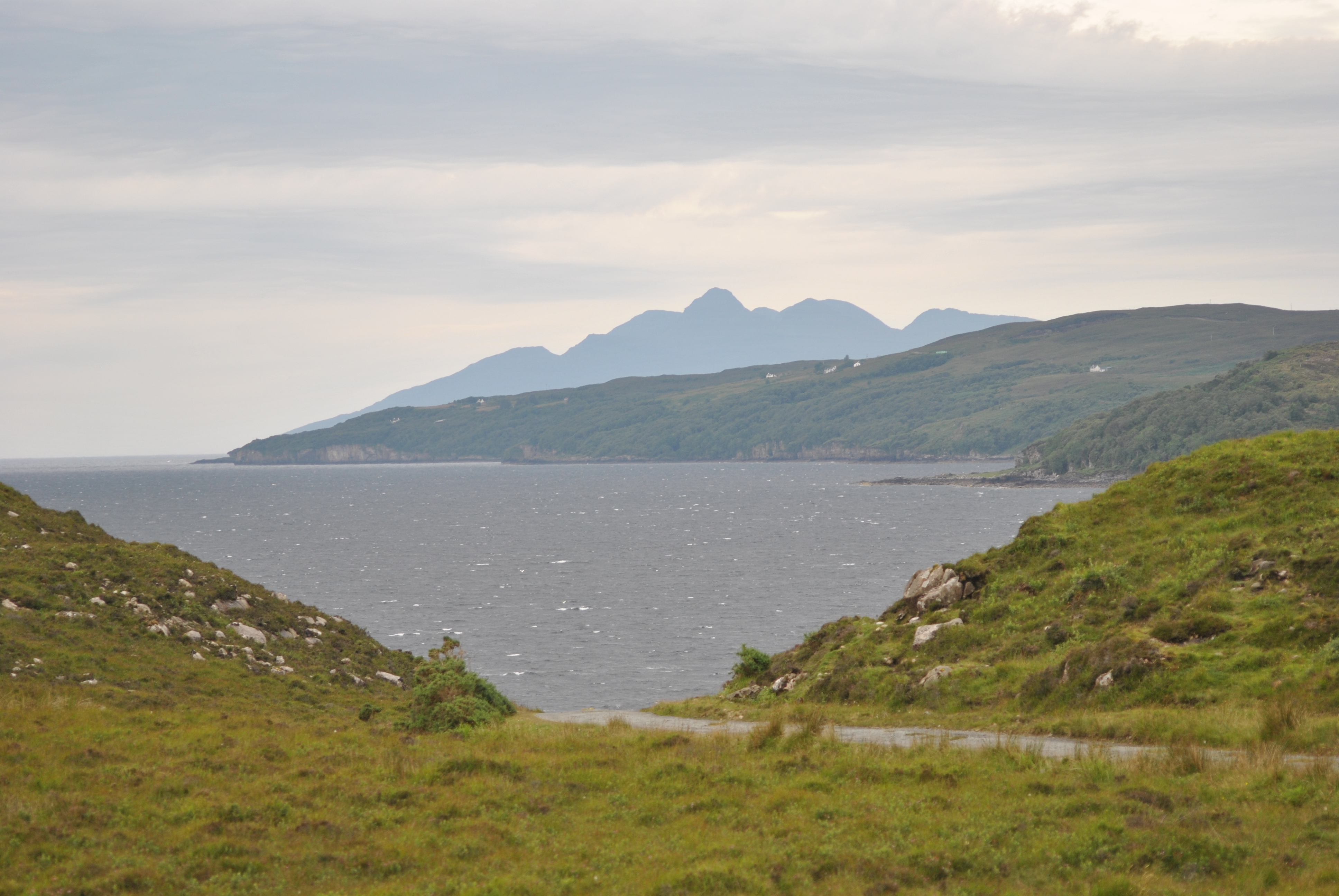
the well for the brides
Was this mother in the cave the origin of another legend? Apparently it was customary for young brides to visit the well Tobar Tà to ensure fertility. Unfortunately the well has become untraceble now.
three deaths by the well
The well was once famous for it was part of the Brahan Seer’s prophecies in the 16th century. He had predicted three Torquils to be killed on a wet day in the area of the well. This is generally attributed to three members of the clan who died supporting Bonnie Prince Charlie during the uprising in 1745 and his escape to France in 1746 in the regiment of MacKinnon of Strath. It is assumed John MacInnes, Alexander MacLean, and William Ross took shelter in the area and were killed here as the seer’s prediction had claimed.
Tobar sin, is Tobar Tà
Tobar aig an cuirear blàr;
Marbhar Torcuil nan trì Torcuil
Air latha fliuch aig Tobar Tà.
That well there,
is Tobar Tà,
a well where a battle will be fought,
killed will be Torquil of the three Torquils,
on a wet day at Tobar Tà.
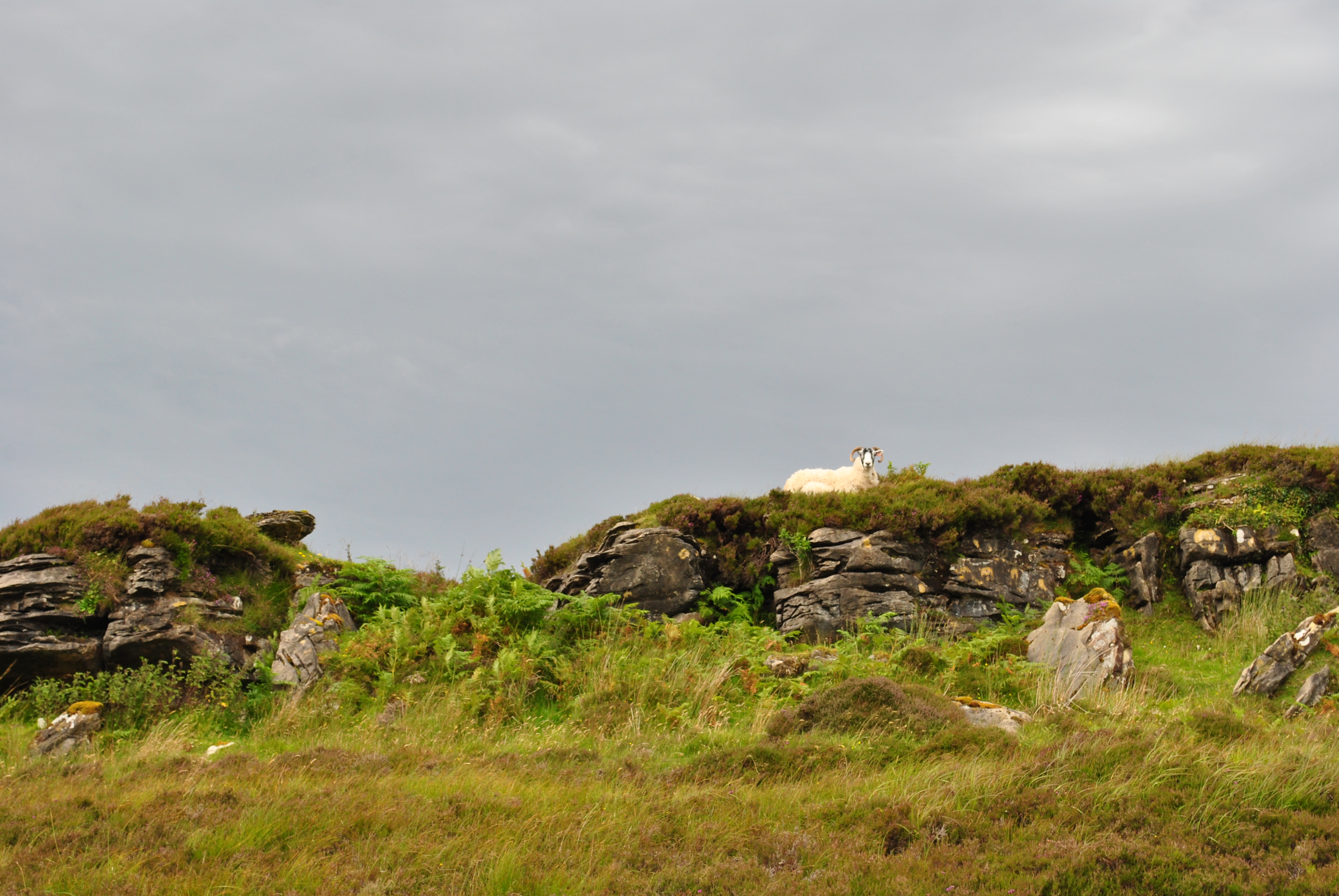
No graves are left in Kilbride on Skye.
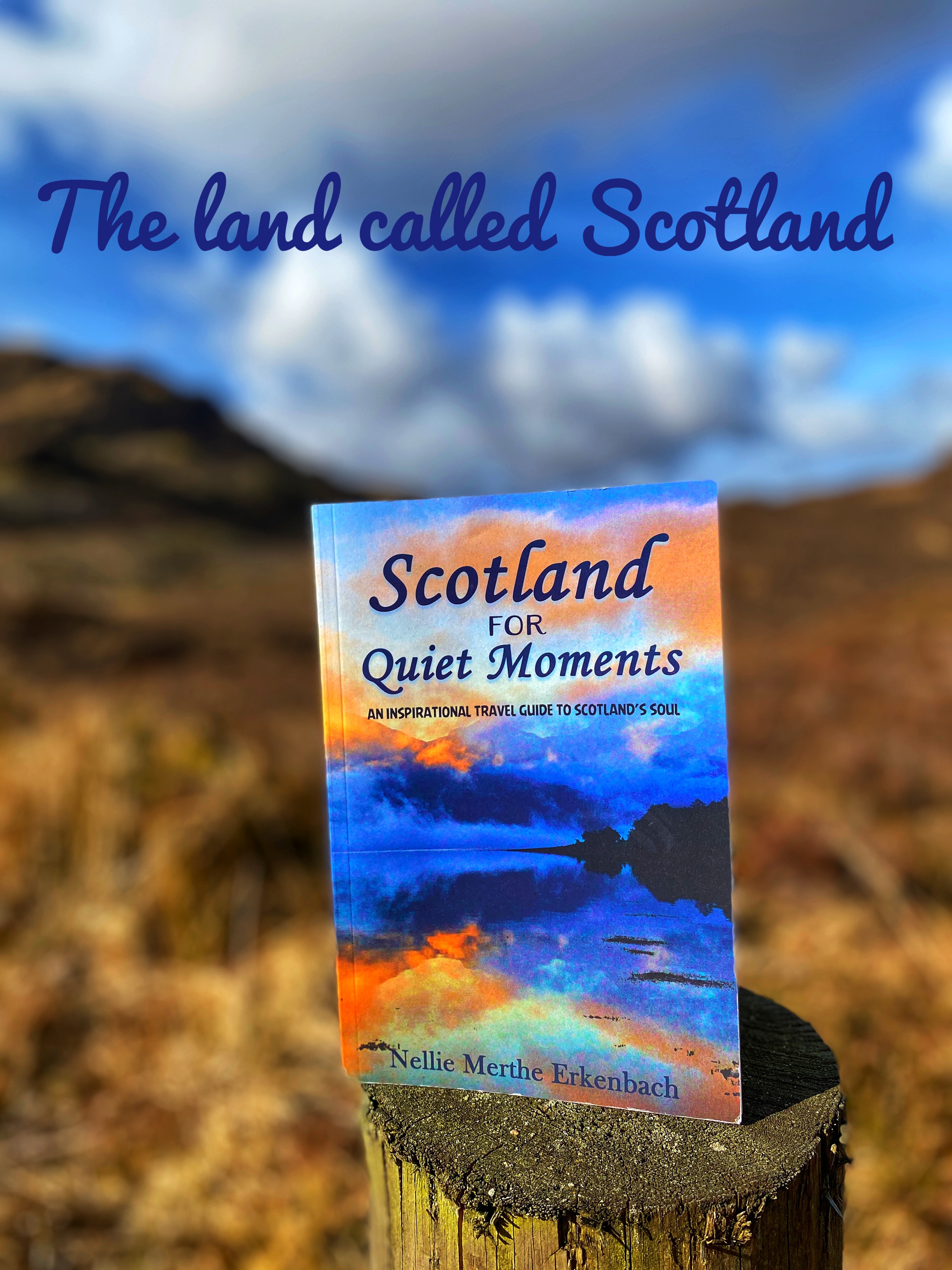
A travel guide like no other – for those who prefer stories over souvenirs.
Scotland is a land steeped in history, mystery and myth—so deeply intertwined that the lines between truth and tale often blur. That’s exactly what makes it so irresistible. Over many years of wandering, researching and reading between the lines of long-forgotten travel guides from the 18th and 19th centuries, Nellie Merthe Erkenbach has uncovered the kind of stories that don’t make it into glossy brochures.
Some are strange, some are dark, others unexpectedly touching—but all reveal Scotland from an angle rarely seen. From fairy hills in Inverness to murder on Shetland, left-handed families and forgotten poets with blood on their hands, this is Scotland without the clichés. No whisky trails, no sheep-counting, no tartan wrapping. Just the real, raw, and sometimes ridiculous heart of the Highlands and beyond.
You don’t need a love of graveyards to enjoy this book—though many of these stories do, eventually, lead to one. You just need a quiet moment, a curious mind, and a favourite chair.
“Scotland for Quiet Moments” – a book for those who believe the best journeys begin with a story.
source and further reading:
Ronald Black (ed.): The Gaelic Otherworld. John Georgson Campbell’s Superstitions of the Highlands & Islands of Scotland and Witchcraft & Second Sight in the Highlands & Islands. Edinburgh, Birlinn Origin; 2019


 Graveyards of Scotland
Annait is an interesting Gaelic word for ‘chapel’ which I have never encountered before.
You are quite right. It seems to refer to the mother church rather than an actual chapel as far as I can gather from a few sources. I am not a fluent Gaelic speaker myself.