

The Isle of Skye, Scotland’s beautiful and untamed island, where the majestic Cuillins loom over the landscape and the old still tell tales of days long gone. An ancient place, steeped in myth and magic.
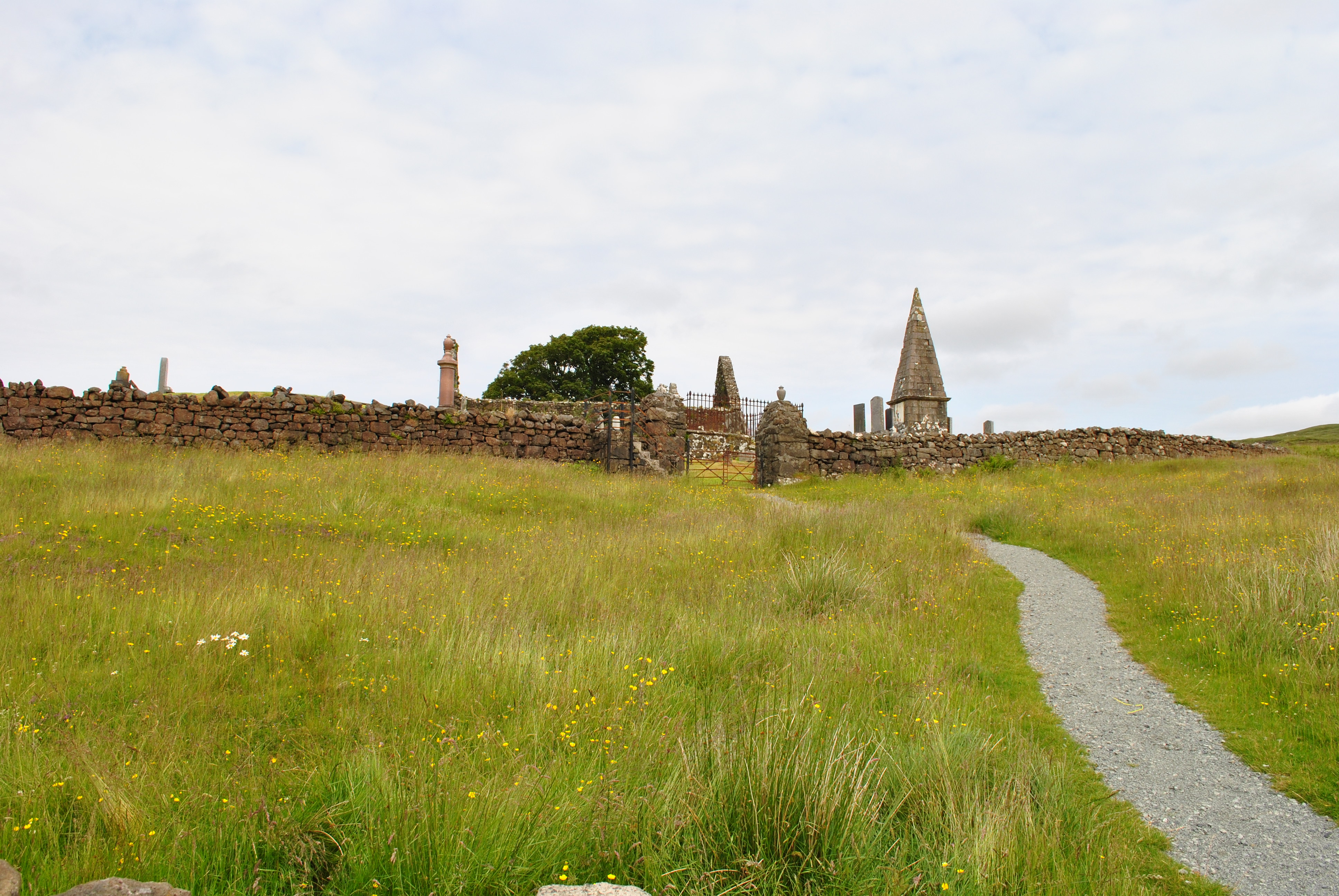
A forgotten story from Trotternish
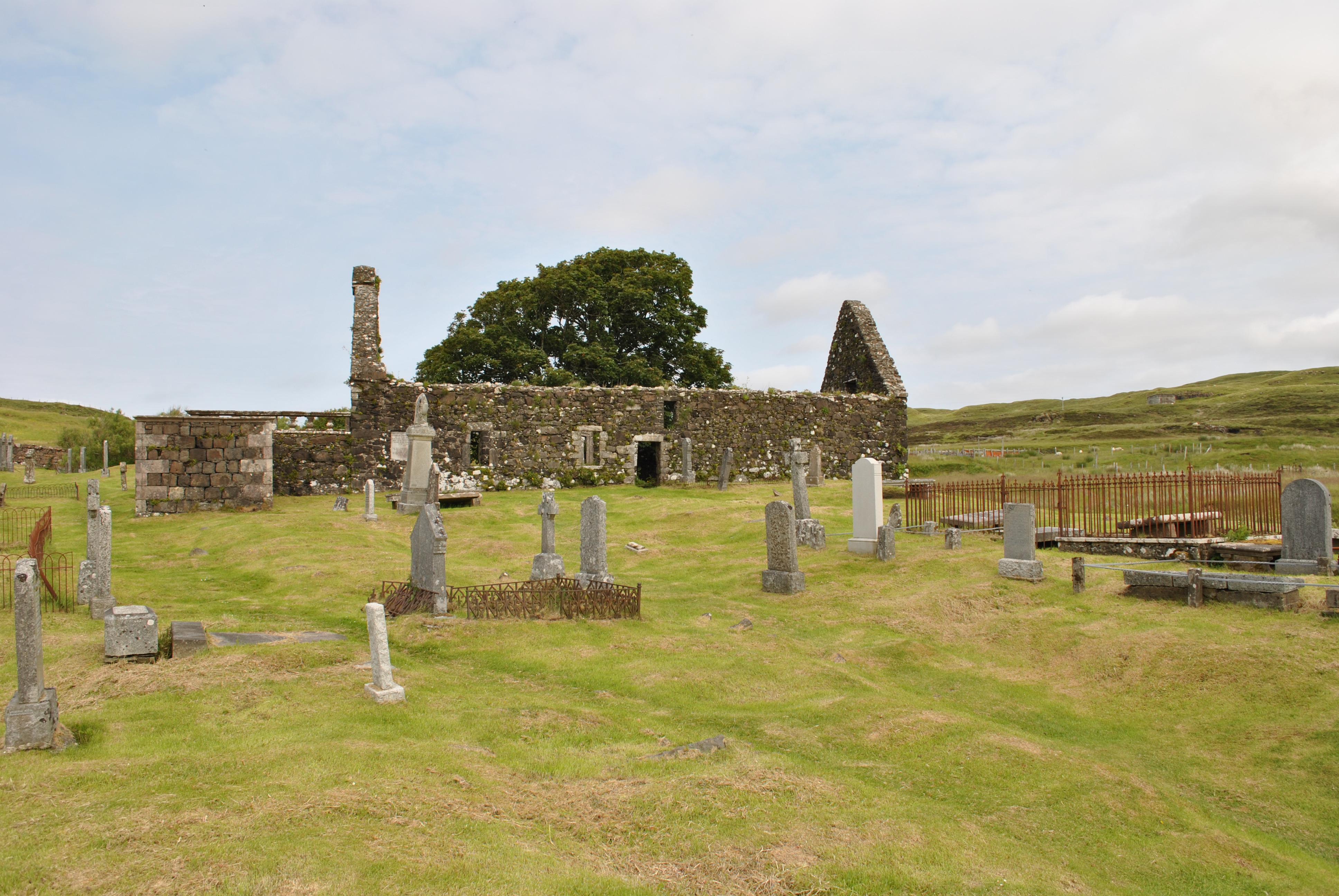
The northern, windswept part of the island is known as Trotternish, a place-name that still echoes the Norse presence of centuries past. The village of Dunvegan is best known for Dunvegan Castle, the ancestral home of the MacLeods. In the graveyard of St Mary’s stands the ruined church, long used as a burial place for the MacLeod family. Five chiefs of the clan rest here.
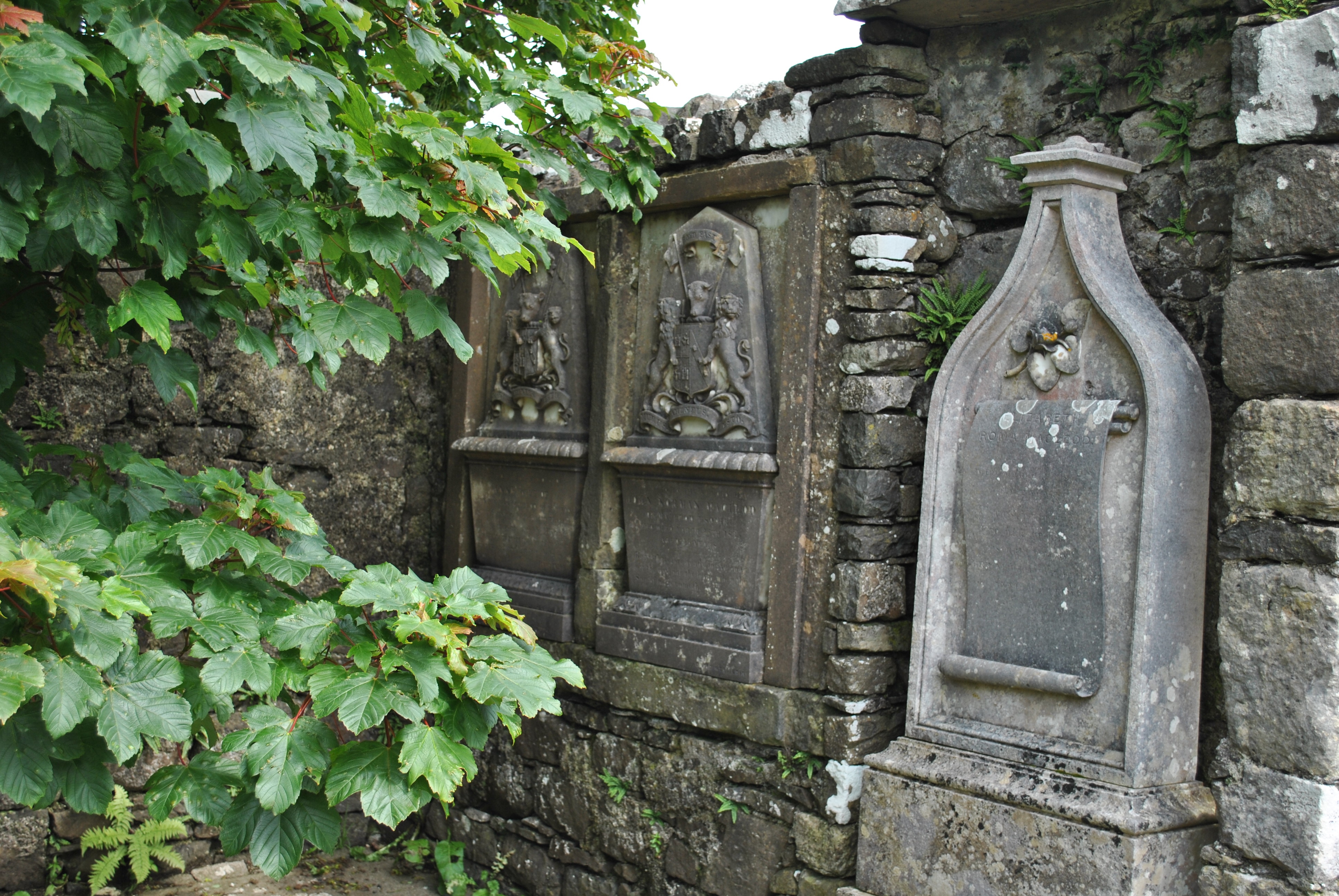
It is an ancient place, many centuries old. And according to Martin Martin’s 17th-century account, A Description of the Western Isles of Scotland, the turf of the parish possessed a rather unusual “abdominal” power.
Once, three men lived in the parish of St Mary’s: John and Finlay Macphade, and a third whose name has been lost. Like many islanders on Skye, the three went fishing whenever they could and would often spend an entire day out at sea.
A problem at sea
These, of course, were the days before onboard toilets. And the three men, so the story goes, had a peculiar problem: while at sea, they were quite unable to empty either bladder or bowel.
Returning to dry land for that purpose was not only impractical, but often impossible. Their fellow fishermen therefore found it rather awkward to take any of the three along. As the hours passed, the men’s bellies would swell and they would become increasingly uncomfortable.
They simply could not do it at sea.
Until one fisherman had an idea.
The magic of the turf
He took a large piece of turf from the land and brought it aboard, hoping that standing on familiar ground might persuade them to “do their business” just as they would at home. After much hesitation, one of the afflicted men finally gave in and tried.
It worked.
He was able to relieve himself – much to everyone’s relief.
The turf, apparently, had worked its magic.
From then on, the story goes, any boat carrying the three fishermen from St Mary’s also carried a patch of turf.
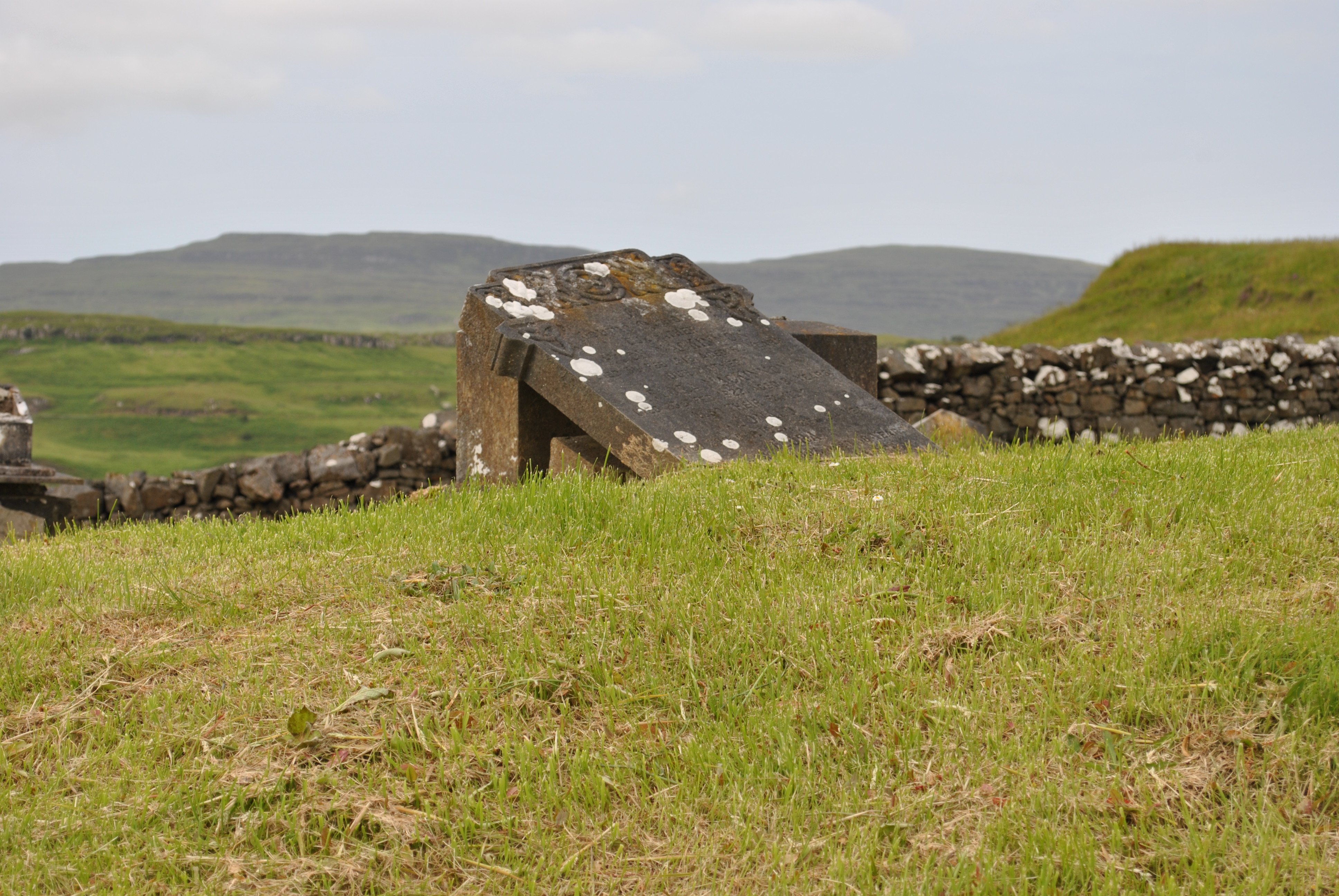
The three men are long dead now and rest beneath the very turf of St Mary’s graveyard.
A rather fitting – if slightly unfortunate – final resting place.
Enjoyed this story?
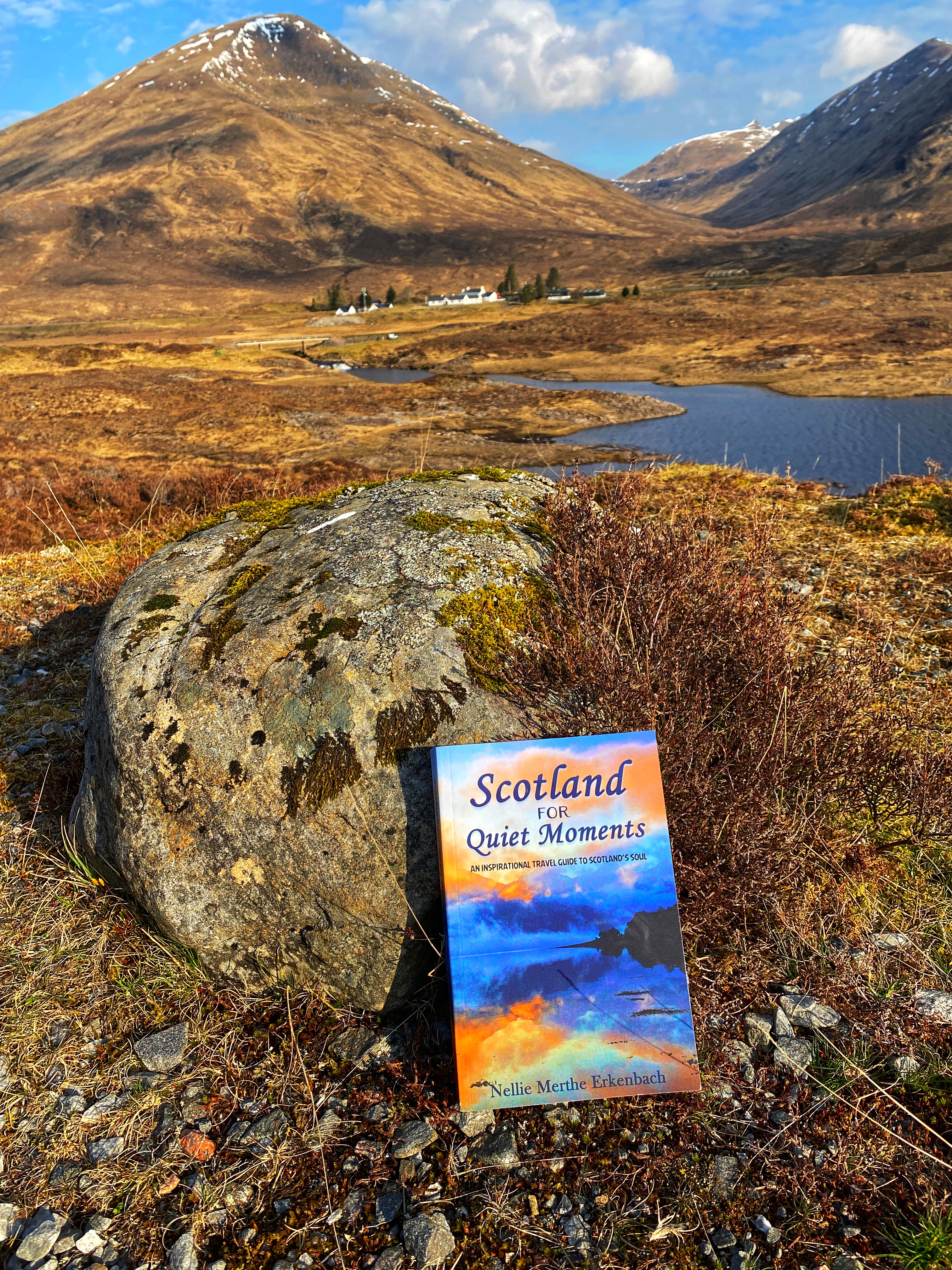
You’ll find many more strange, fascinating, funny and sometimes dark tales from Scotland’s past in my book Scotland for Quiet Moments. Collected over years of researching Graveyards of Scotland – often with the help of wonderfully peculiar 18th- and 19th-century travel books – these are stories of murderers and poets, fairies and wolves, forgotten places, famous Scots and people history has almost left behind.
Not every story takes place in a graveyard. But somehow, they all seem to end in one.
Discover Scotland for Quiet Moments on Amazon:
https://amzn.eu/d/01S2Zoxm


Leave a comment