
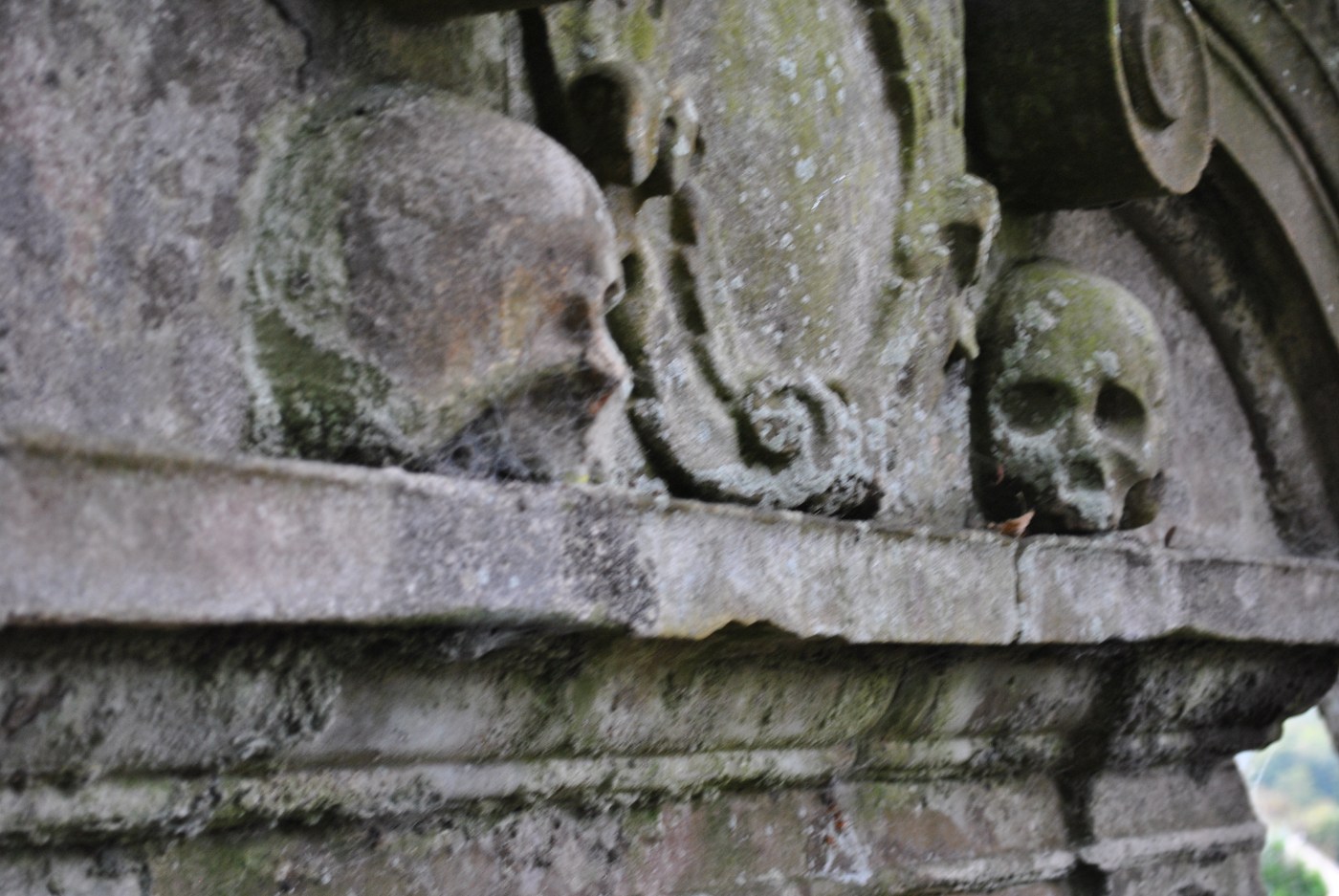
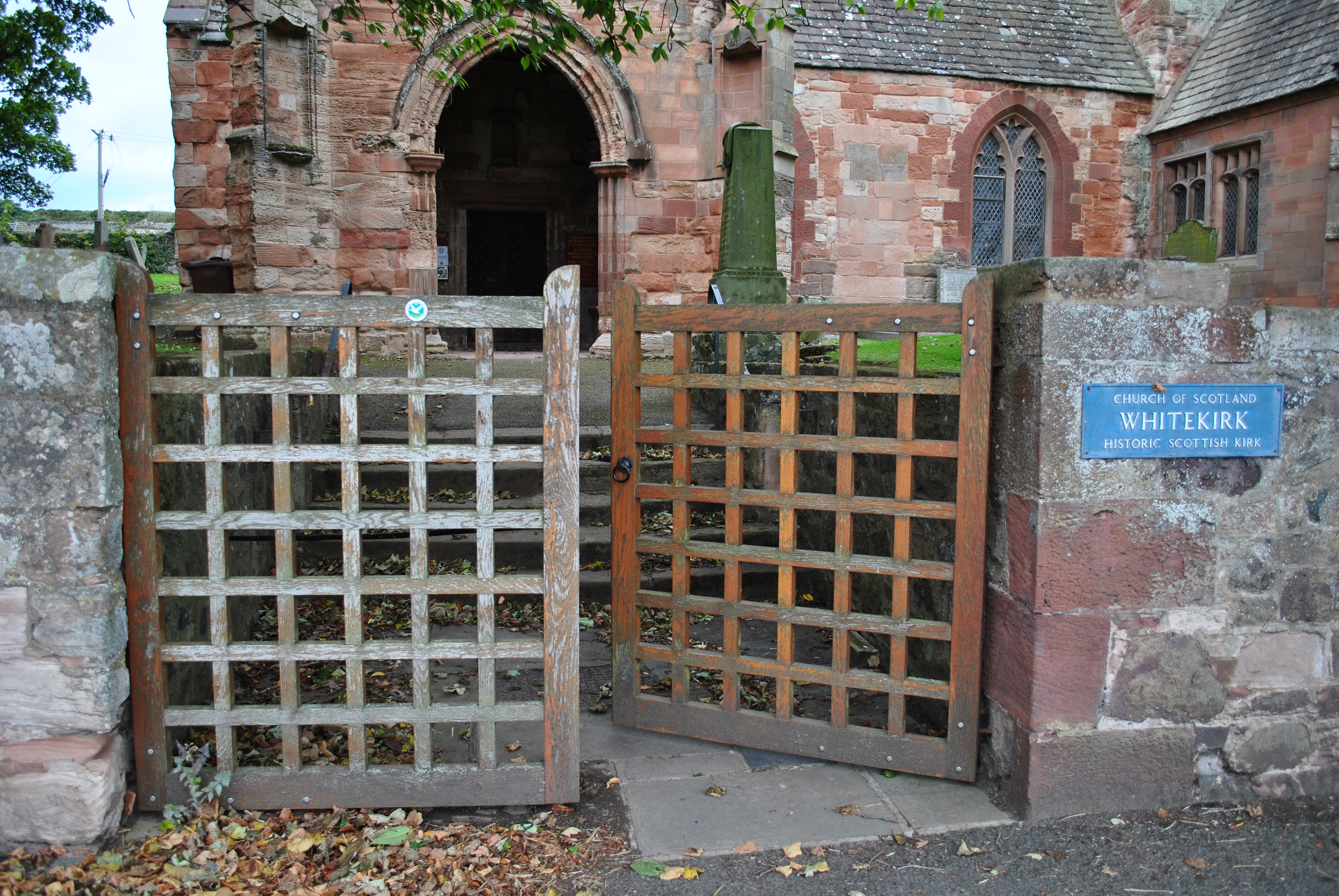
Whitekirk, East Lothian
This place is so absolutely not what it looks like and bears far more depth, surprises and secrets than most of the graveyards I have been to in Scotland. And believe me, I have been to a lot.
colour
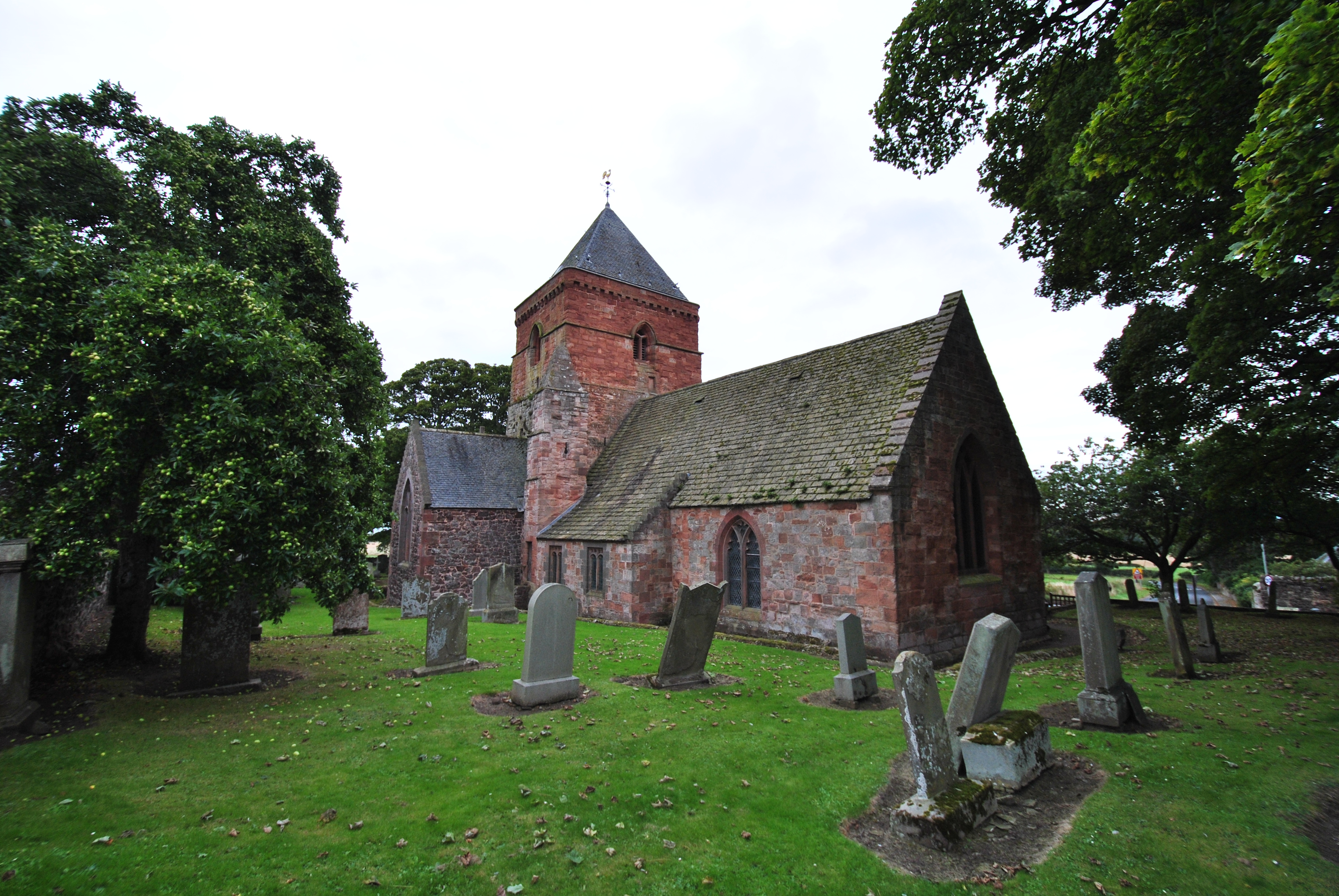
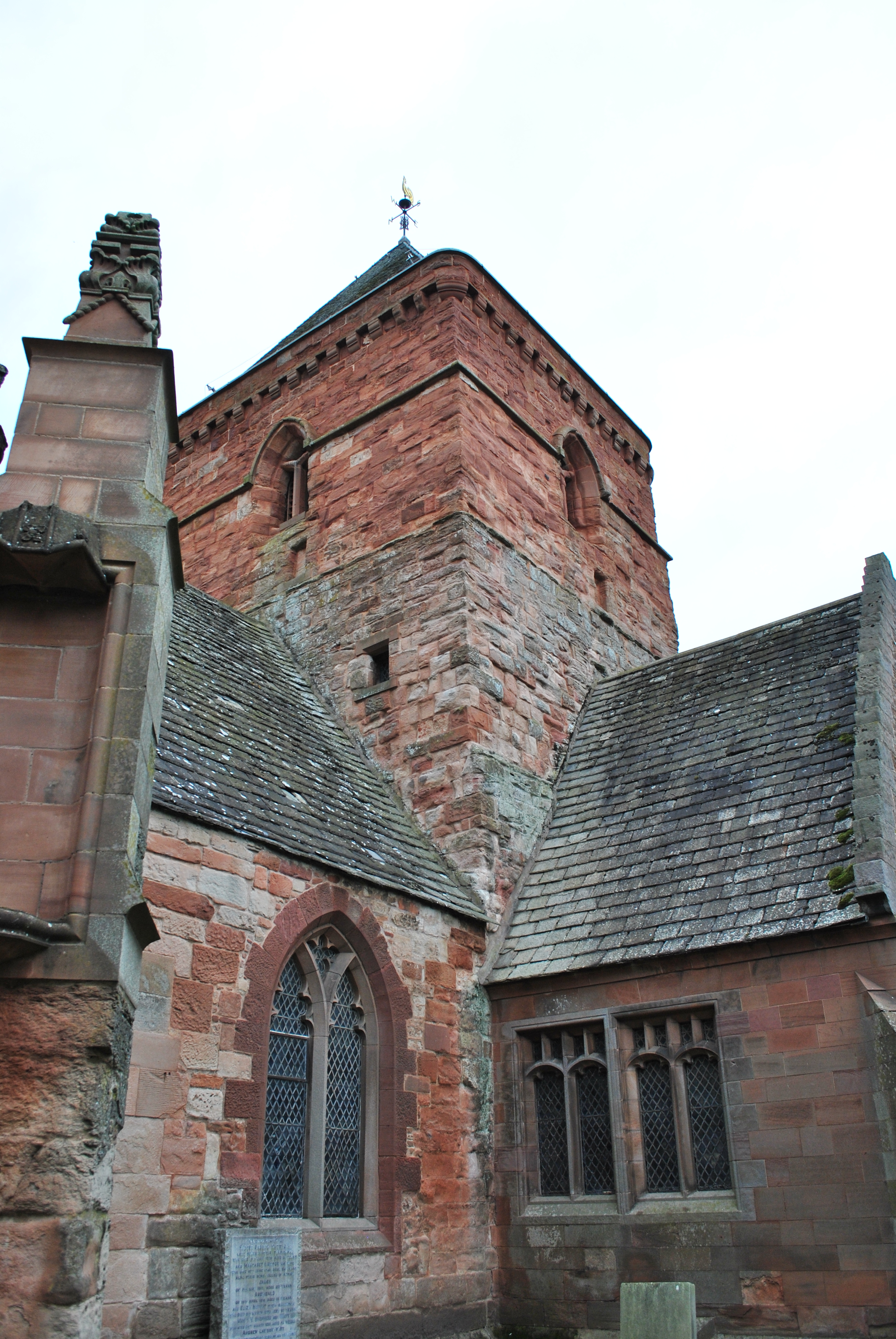
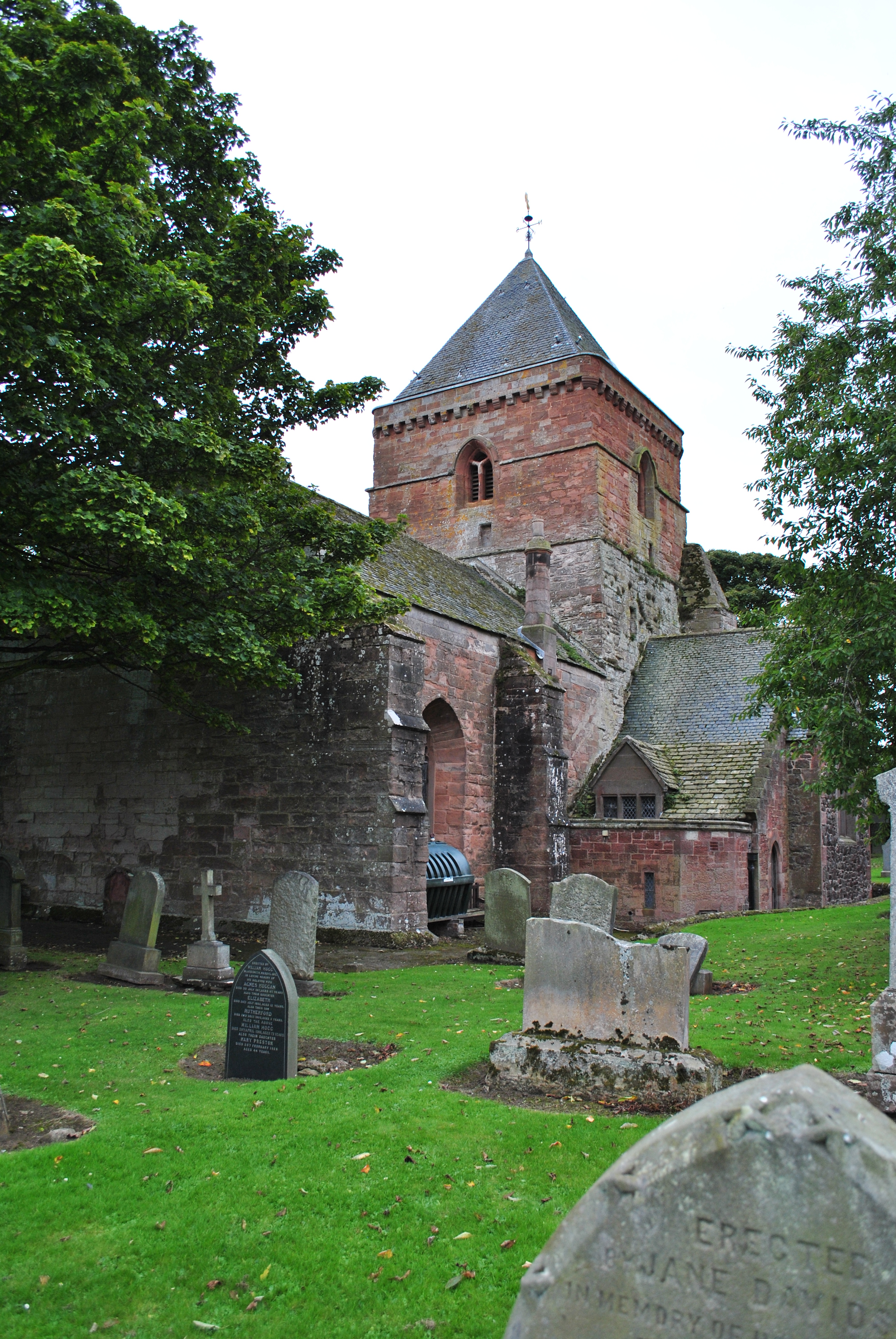
For a start, Whitekirk is not white. It is quite obviously built out of a very red sandstone. So why are the kirk and the village it sits in called Whitekirk? Because the walls were covered in limewash in the 12th century. It must have looked very different then.
childlessness
Once the kirk was established it became a place not just of worship but of pilgrimage. A holy well once bubbled here, dedicated to Mary, mother of God. If you were sick, had a disease or wanted children.,Whitekirk was the place to turn for help and in 1413, no less than 15,653 pilgrims walked to Whitekirk. The pilgrimage had become so popular, James I had shelters built for the masses.
snow
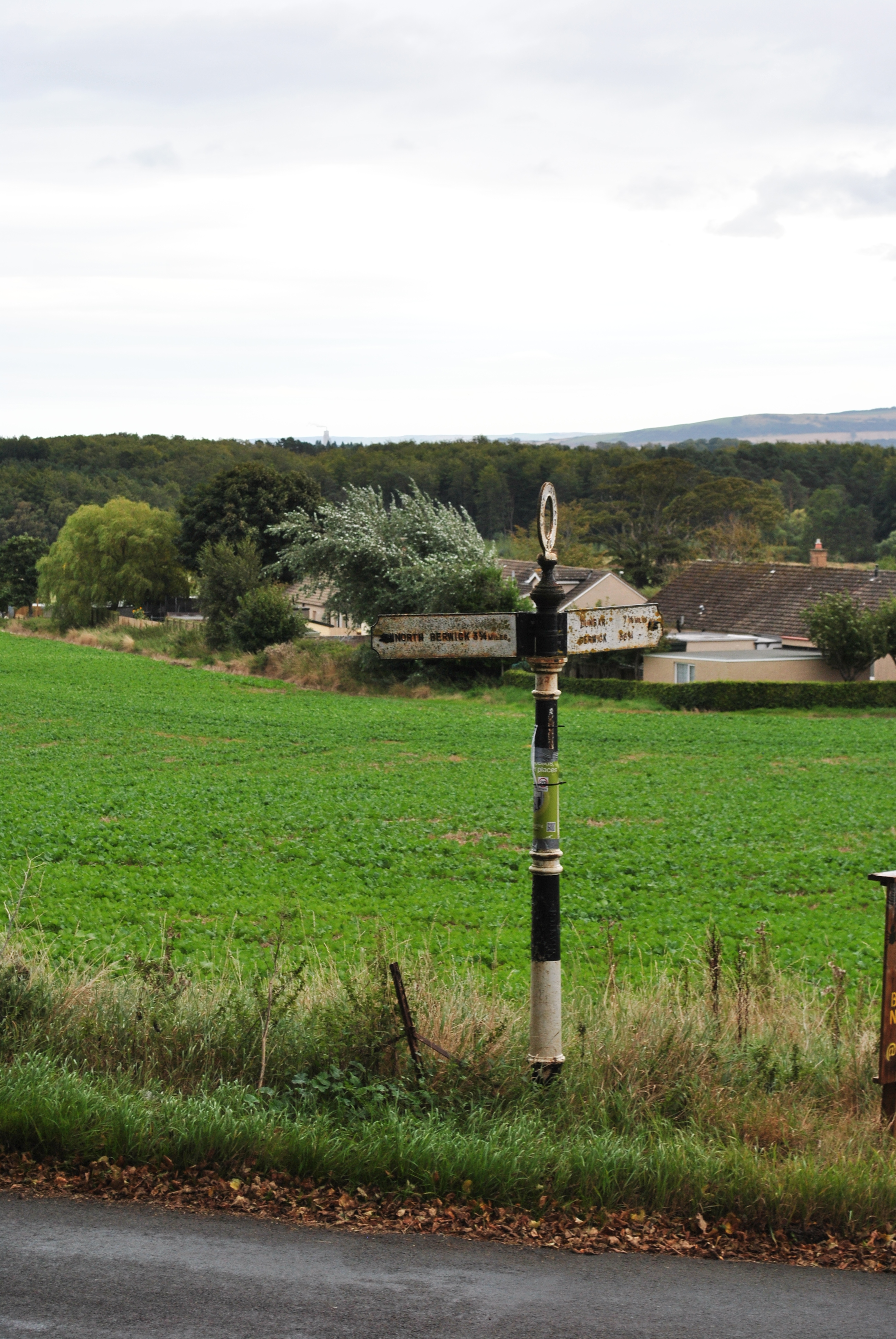
But when in the later part of the 15th century Enea Silvio de Piccolomini walked about 7 miles from Dunbar to Whitekirk on his bare feet through the glittering winter snow to say thanks for surviving a storm in the Firth of Forth, he contracted rheumatism. which he couldn’t get rid of for the rest of his life. Piccolomini became Pope Pius II and the well disappeared into obscurity.
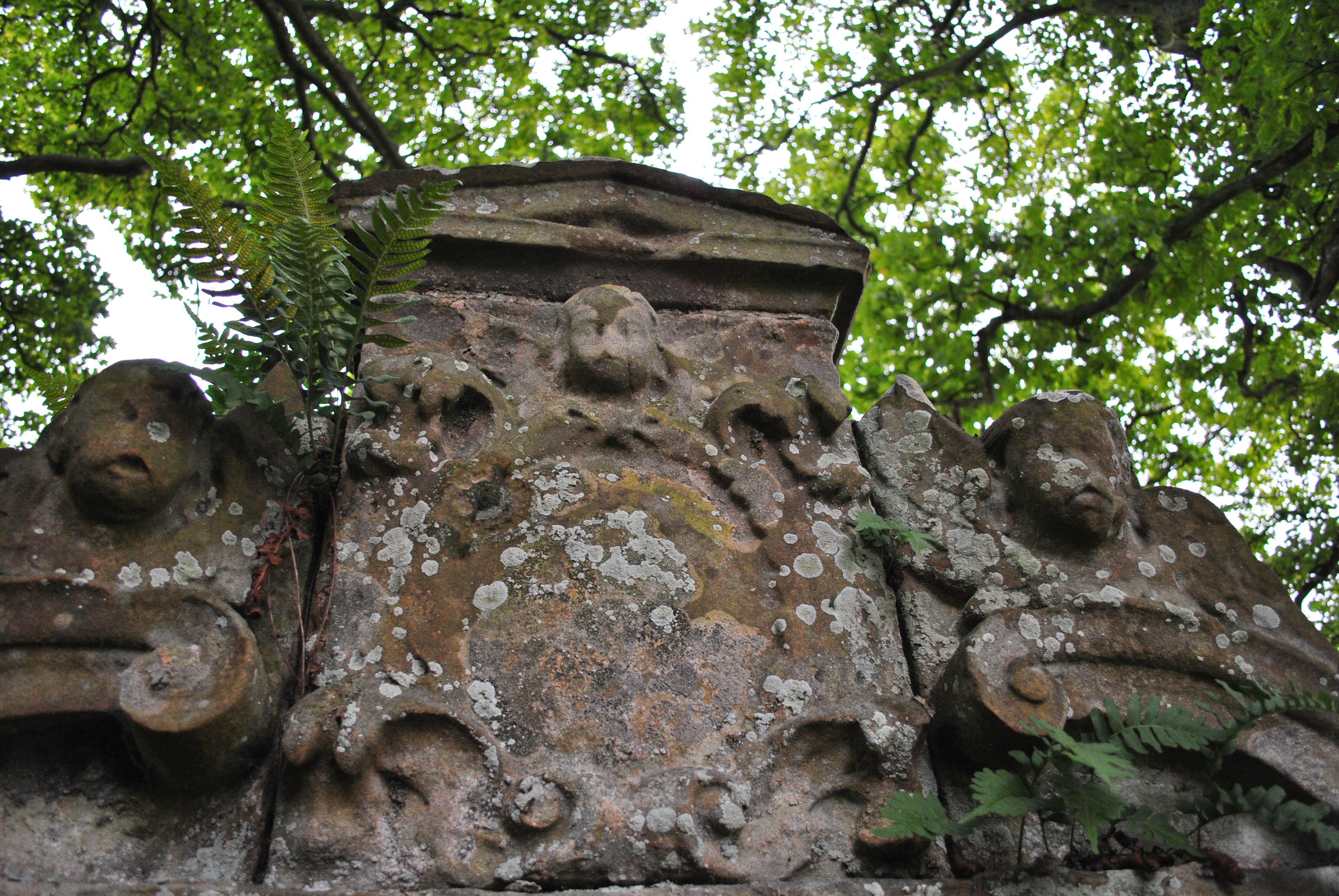
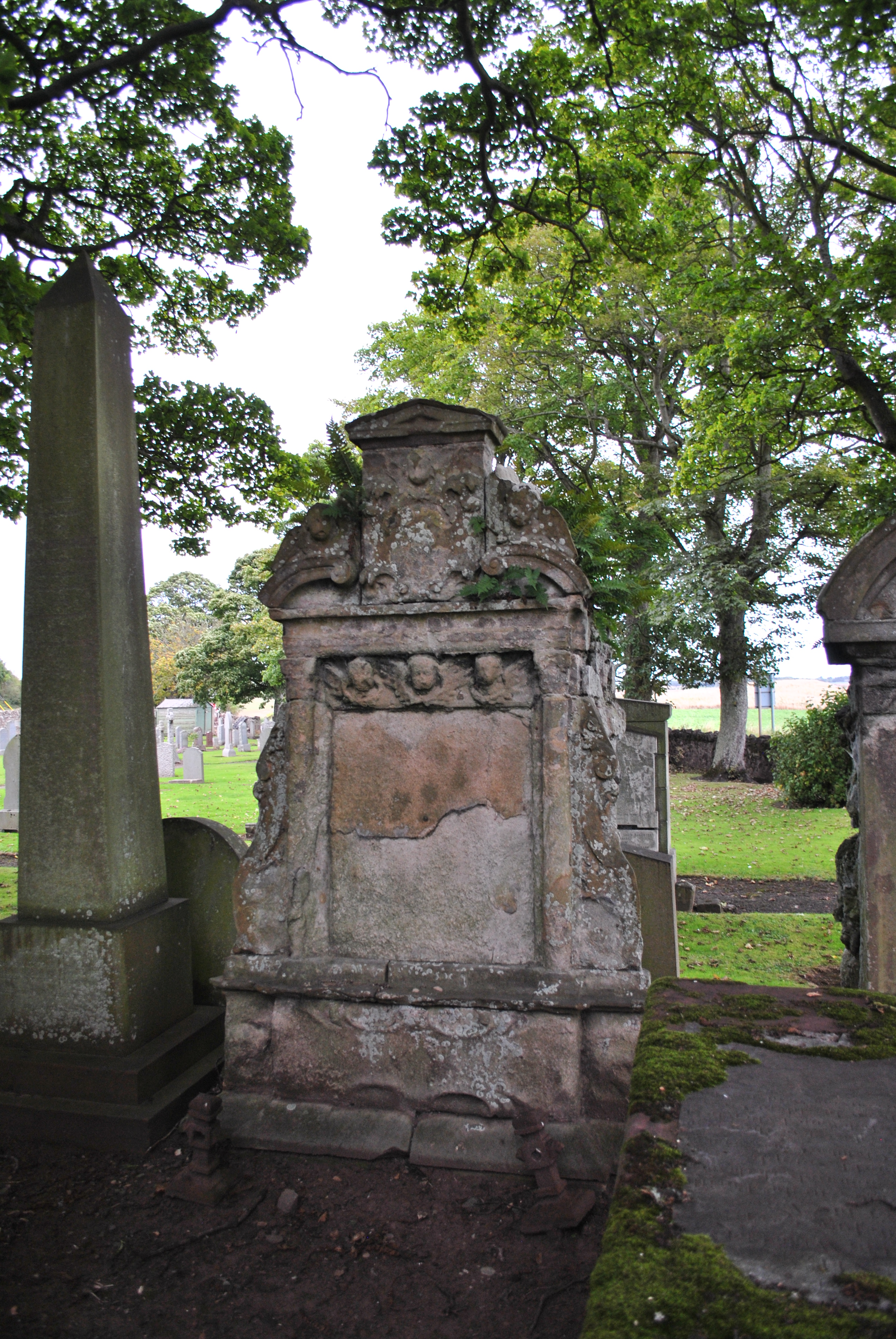
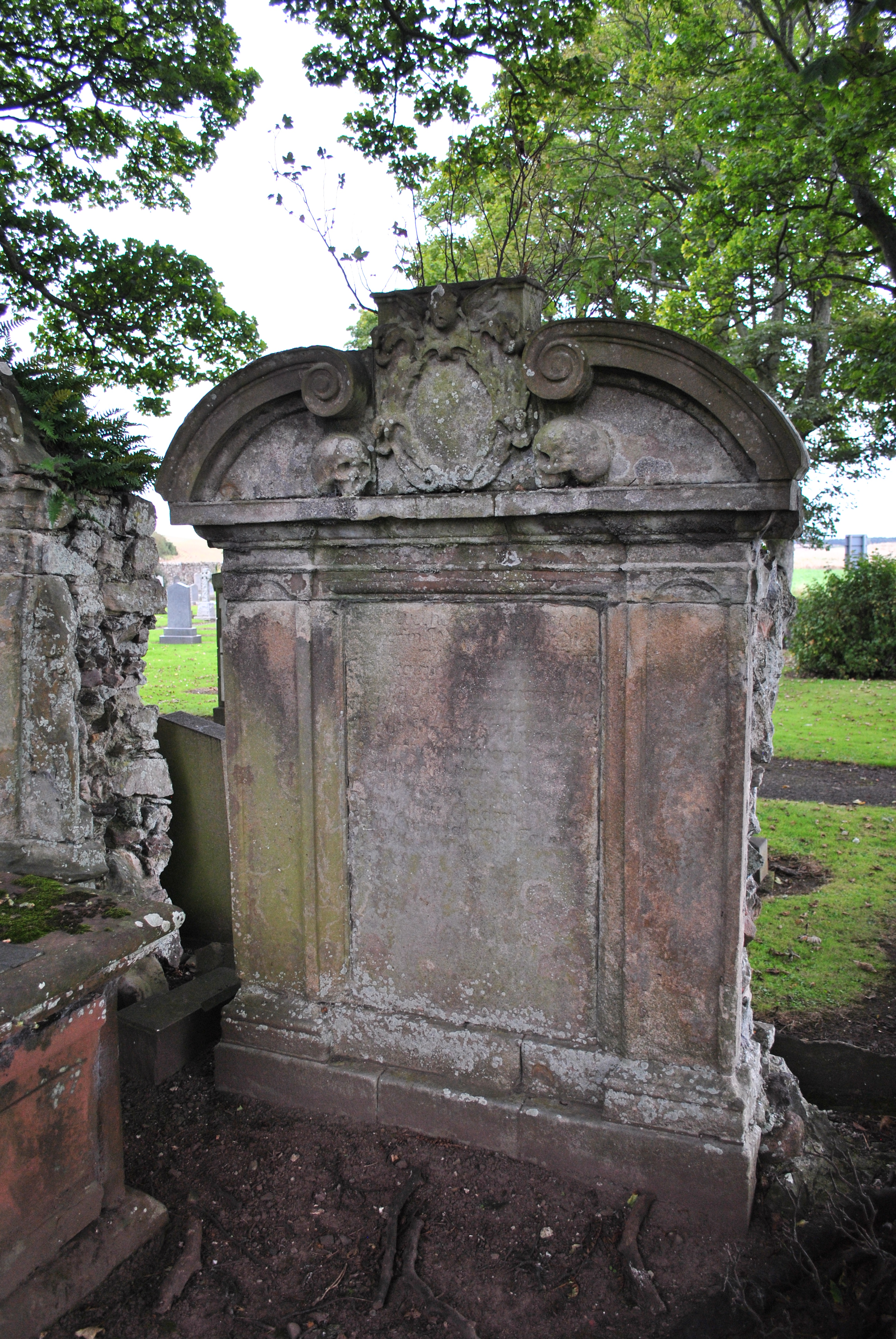
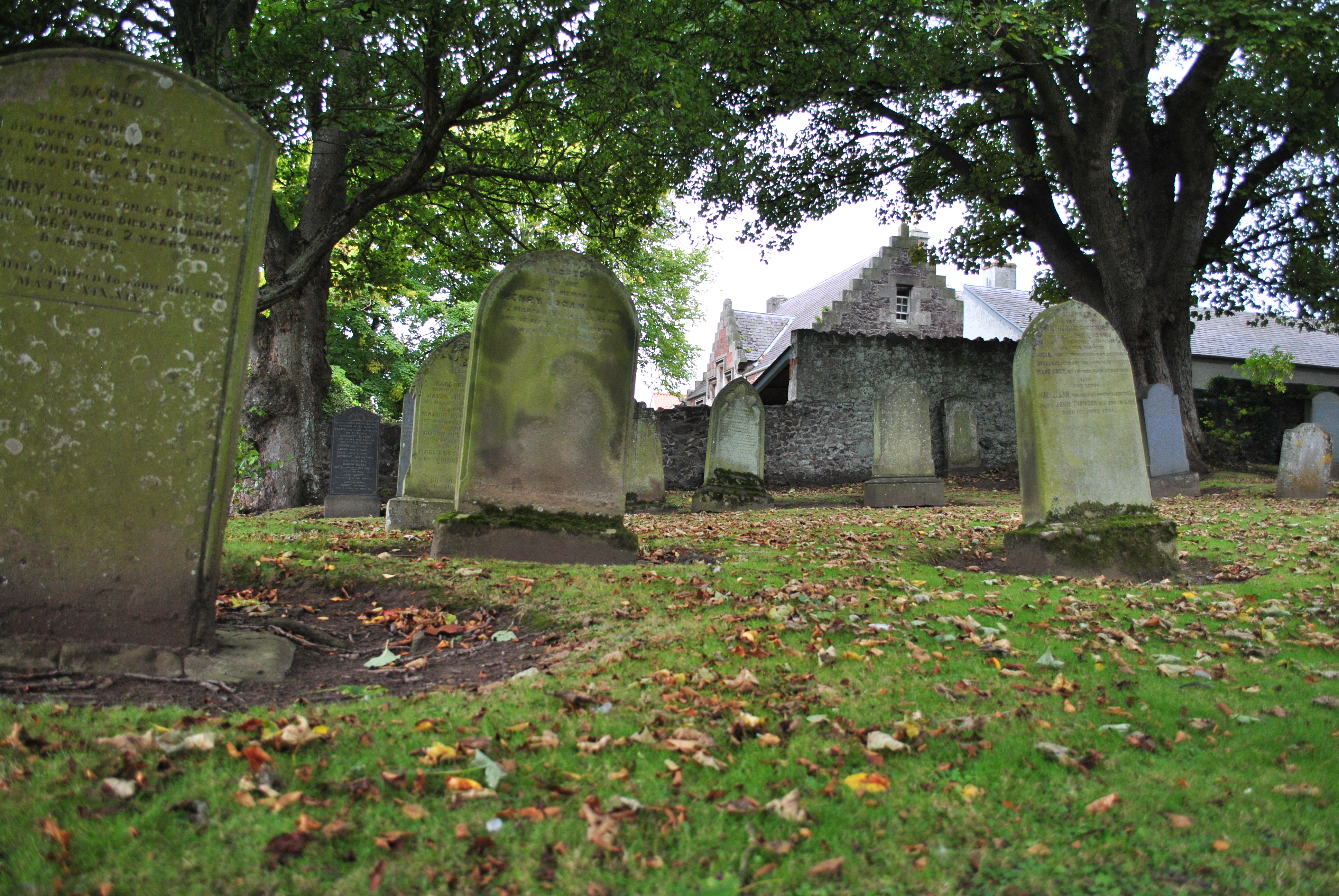
sailor’s brains
In 1356 Edward III invaded East Lothian. It was a time of considerable unrest and military action between England and Scotland. English sailors came toWhitekirk, one allegedly took a valuable ring off a statue of the Virgin Mary. And by divine intervention, a crucifix fell down and dashed out the sailor’s brains. The sailor’s ship sank later in a storm in English waters.
rioting women
Whitekirk survived the Reformation but not the suffragettes. They burnt it down in 1914 to attract attention. Women were fighting for the right to vote back then. They got it 4 years later and Whitekirk was restored from a soot-stained ruin to what it looks like today. Still not white but worth a visit for so many reasons.
Liked the read? There’s more here…
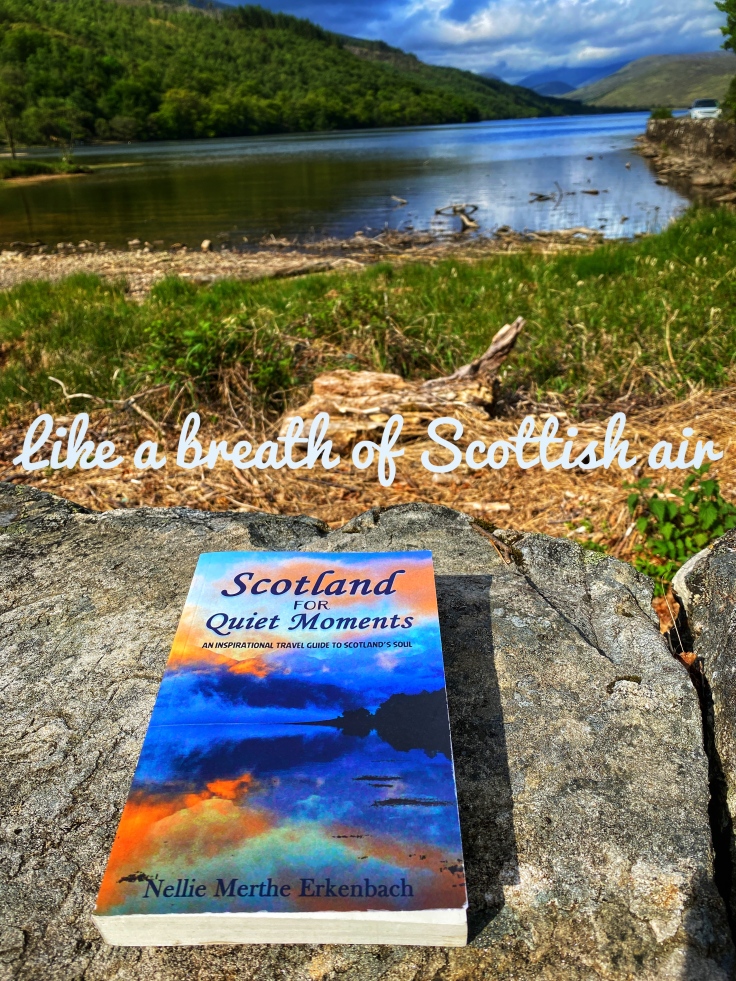
The stories of this book have been discovered and gathered for my blog, Graveyards of Scotland, over many years. Find treasure all over Scotland with my latest book. I am Nellie Merthe Erkenbach, journalist and author.The fairy hill in Inverness, a nitrate murder on Shetland, a family of left-handers, wolves, Robert the Bruce and William Wallace shown in a new light, the secret bay of the writer Gavin Maxwell, a murdering poet and so many things you didn’t know about Scotland, its clans and its history.
My main sources were historical travel guides from the 18th and 19th centuries, where the finds were scary, beautiful, funny, and sometimes, cruel.
This unusual approach to a country’s history has produced amazing results. You don’t have to share my passion for cemeteries to enjoy this book; only a small number of the stories in this collection take place in graveyards, though they do all end in them, so perhaps it helps.
Scotland for Quiet Moments is available @Amazon ⭐️⭐️⭐️⭐️⭐️


 Graveyards of Scotland
I’m quite shocked at the burning of the church! A fabulous little place, keeper of so many stories.
I kind if like the venomous spirit of those radical suffragettes.