


An English Graveyard with a Scottish Story to Tell
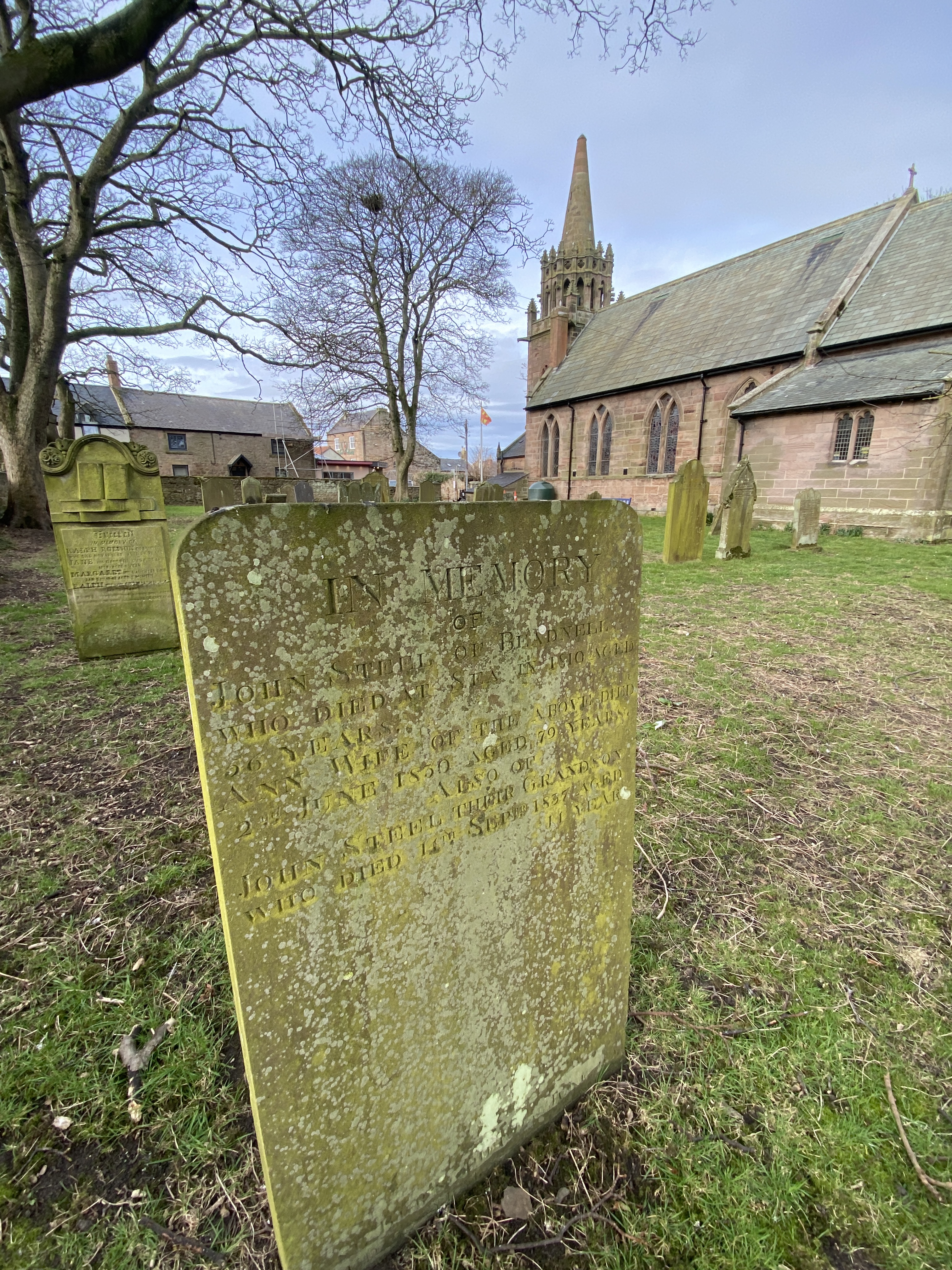
Graveyards often hold echoes of history, their stones whispering tales of the past. St. Ebba’s Churchyard in Beadnell, a small Northumberland village by the North Sea, is no exception. It stands as a quiet tribute to a remarkable woman whose influence was felt across Scotland and beyond—St. Ebba, or Aebbe the Elder.
A Scottish Connection: Ebba’s Early Years
While Beadnell lies just south of the modern Scottish border, St. Ebba’s story is deeply interwoven with Scotland’s early Christian past. Born a Northumbrian princess around 615, she fled with her family to Dalriada—then part of the Gaelic world, now western Scotland—after the death of her father, King Æthelfrith. Raised in an environment steeped in Celtic Christianity, she absorbed the monastic traditions that would shape her destiny.

The Abbess of Coldingham and Her Influence
When she later returned south, she became one of the most influential women of her time, establishing the great double monastery of Coldingham in what is now the Scottish Borders. Her abbey—an institution for both monks and nuns—rivaled Lindisfarne in its spiritual significance, and Ebba herself was venerated across the medieval world. Coldingham, and later Beadnell, preserved her memory, ensuring that her influence endured through the centuries.

Beadnell’s Hidden History
The connection to Beadnell comes from Ebb’s Nook, a rugged promontory where an ancient chapel once stood in her honour. Excavations in 2012 revealed burials and structures dating back to the seventh century, suggesting a much older religious presence than previously believed. Was it possible that Ebba, or her followers, sought solitude here as they had at Coldingham and St. Abb’s Head? The windswept cliffs and the ceaseless waves would certainly have appealed to the asceticism of early Celtic monasticism.

A Lasting Legacy
Today, St. Ebba’s Churchyard in Beadnell stands as a quiet sentinel to this legacy. The church itself, rebuilt in the 18th and 19th centuries, houses a beautiful stained glass window depicting Ebba alongside her brother, Oswald, another great figure of northern Britain’s Christian history. The graves outside speak to generations of fisherfolk and villagers who lived and died under the watchful protection of their patron saint.

A Woman Who Shaped History
For Scots, Ebba remains a bridge between nations—an early Christian leader who carried the traditions of Iona southward and left an indelible mark on the spiritual landscape of both Scotland and Northumbria. In a time when powerful women were scarce in the historical record, she led with wisdom and strength, defying the expectations of her age. Her name still lingers in the winds that sweep across Beadnell’s shore, a quiet but persistent reminder of a woman who shaped history.


 Graveyards of Scotland
Leave a comment