

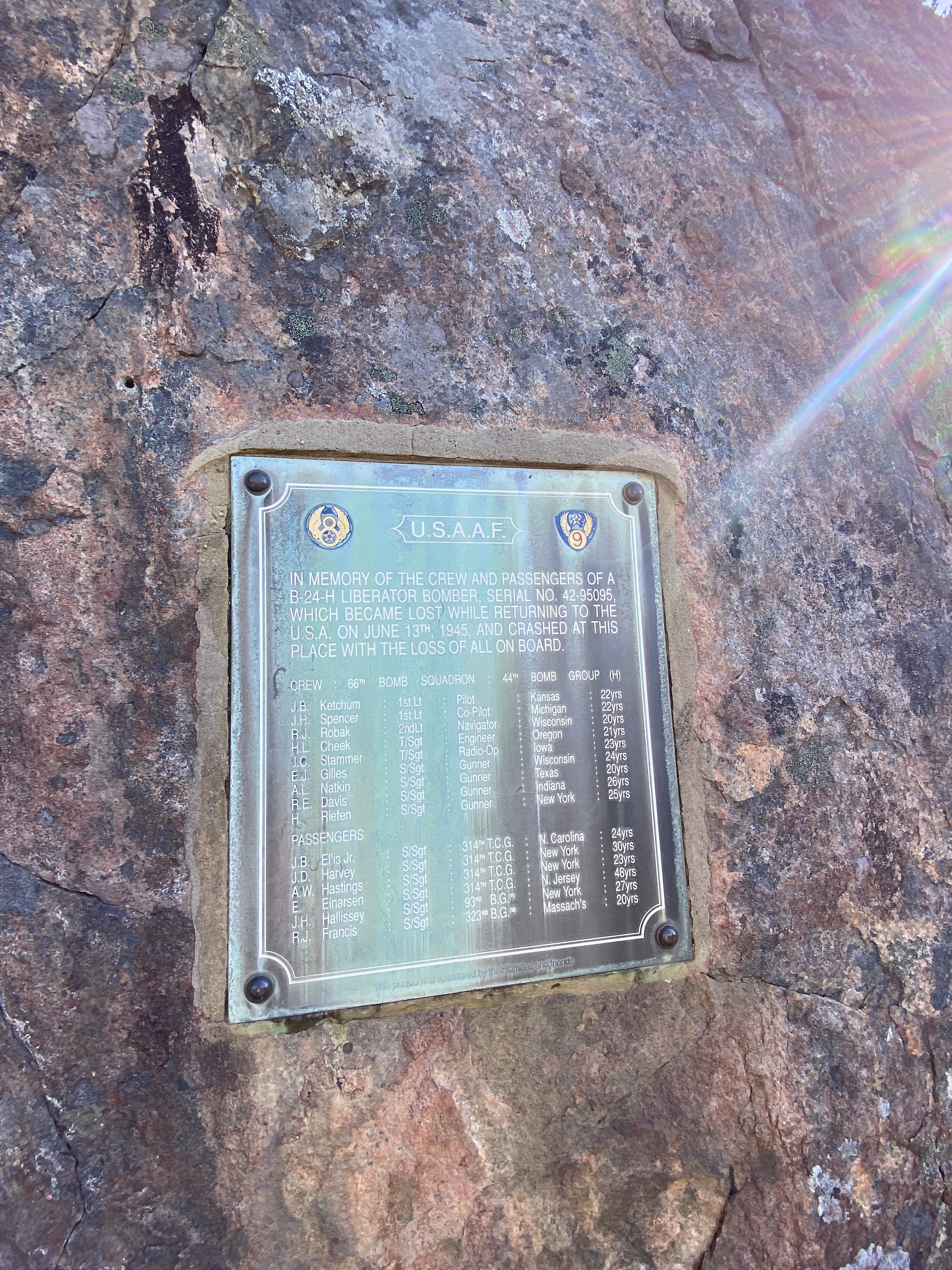
On 13 June 1945, just weeks after peace was declared in Europe, a USAAF B-24H Liberator bomber crashed in the hills near Gairloch in Wester Ross. All fifteen men on board lost their lives. Today, nearly 80 years later, their final resting place at the Fairy Lochs remains a haunting memorial to lives cut short at the very edge of going home.



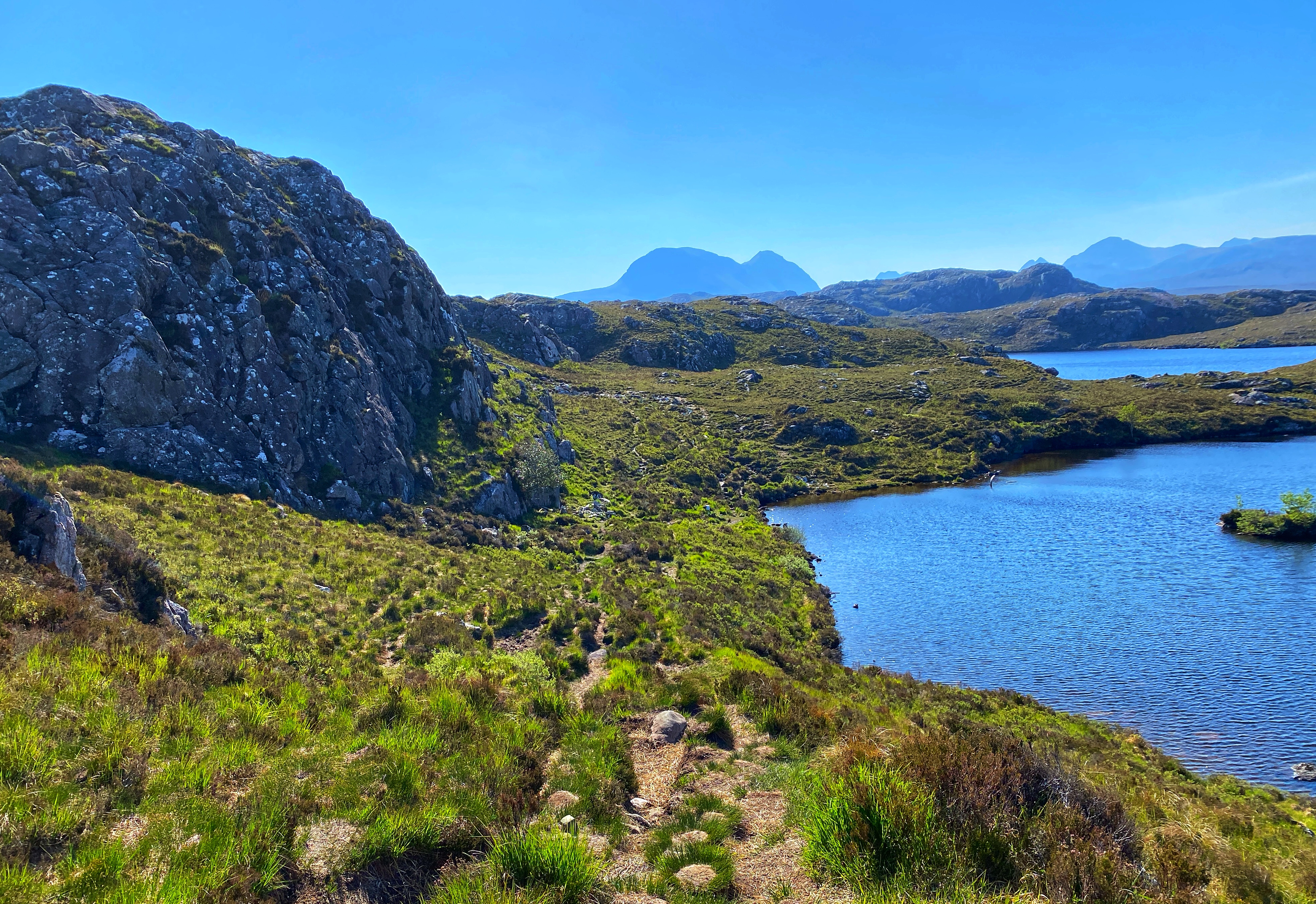
The Fairy Lochs, or Na Lochan Sgeireach in Gaelic, lie just a few kilometres southeast of the village of Badachro. The lochans, set in quiet solitude near the hill Sìthean Mòr – the “Big Fairy Mound” – were given their English name because of this local landmark. Accessible only on foot, across marshy paths and open hillside, the lochs are tranquil, still, and heavy with memory.
The Final Flight
At 13:15 hours on 13 June 1945, a B-24 Liberator bomber, serial number 42-95095, took off from Prestwick Airfield. On board were nine crew members from the 66th Bomber Squadron and six passengers from the Air Transport Command. Their mission was a hopeful one: to return home to the United States via Iceland, after surviving the long years of war.
Their planned route should have taken them over Stornoway, a straight flight across the Minch and into the North Atlantic. Instead, the aircraft veered inland. Whether the cause was navigational error, mechanical failure, or the dense weather conditions remains unknown. What is certain is that the Liberator began descending through heavy cloud over Wester Ross, its crew likely disoriented and trying to regain visibility.
The plane struck the upper slopes of Slioch, tearing off part of its bomb bay doors. Still flying, it broke through the clouds above Loch Gairloch. Witnesses believe the crew circled once, perhaps searching for a safe landing site—possibly aiming for the open water. But they never made it. The Liberator struck the hills just above the Fairy Lochs, its frame shattered across the hillside and water. No one on board survived.

A Moment of Lost Choices
What makes the crash especially tragic is the geography of the area. All around Wester Ross lie much larger and more open lochs—Loch Maree, Loch Gairloch, even stretches of open coastline—where an emergency landing might have been possible. In the direct vicinity of the crash site lie Loch Horisdale and Loch Gaineamhach, both larger and more accessible bodies of water than the small, scattered Fairy Lochs. Had the weather been clearer, had the descent not been through cloud and chaos, the outcome may have been different.
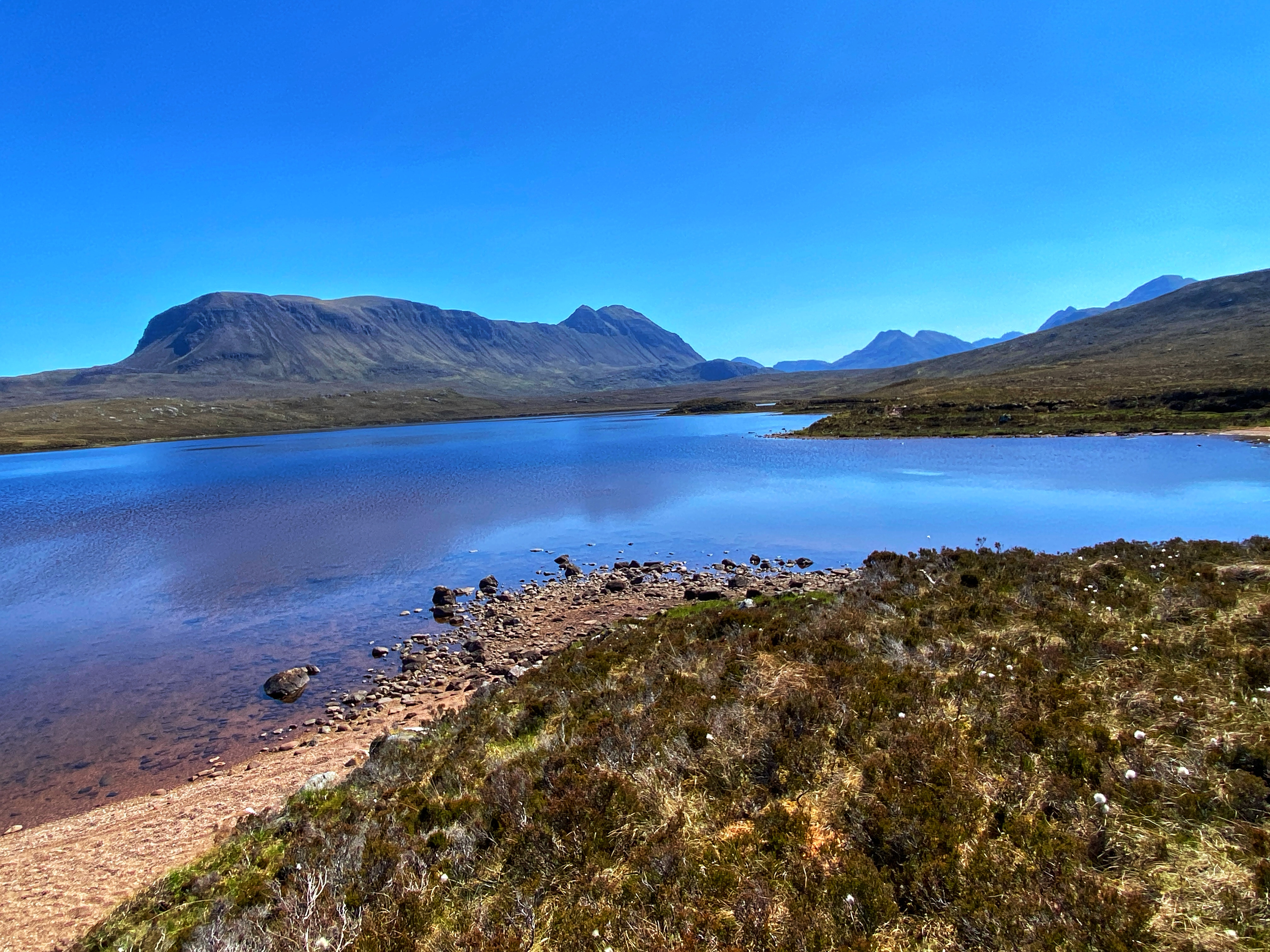
Instead, the bomber came to rest in a hidden corner of the Highlands, high above the sea, beside lochans that glimmer like mirrors in the peat. It is a desperately sad place to die—and yet, there’s something strangely fitting, even enchanting, about it. A place of stillness, mist, and ancient names. A place where the land keeps secrets gently.

A War Grave in the Highlands
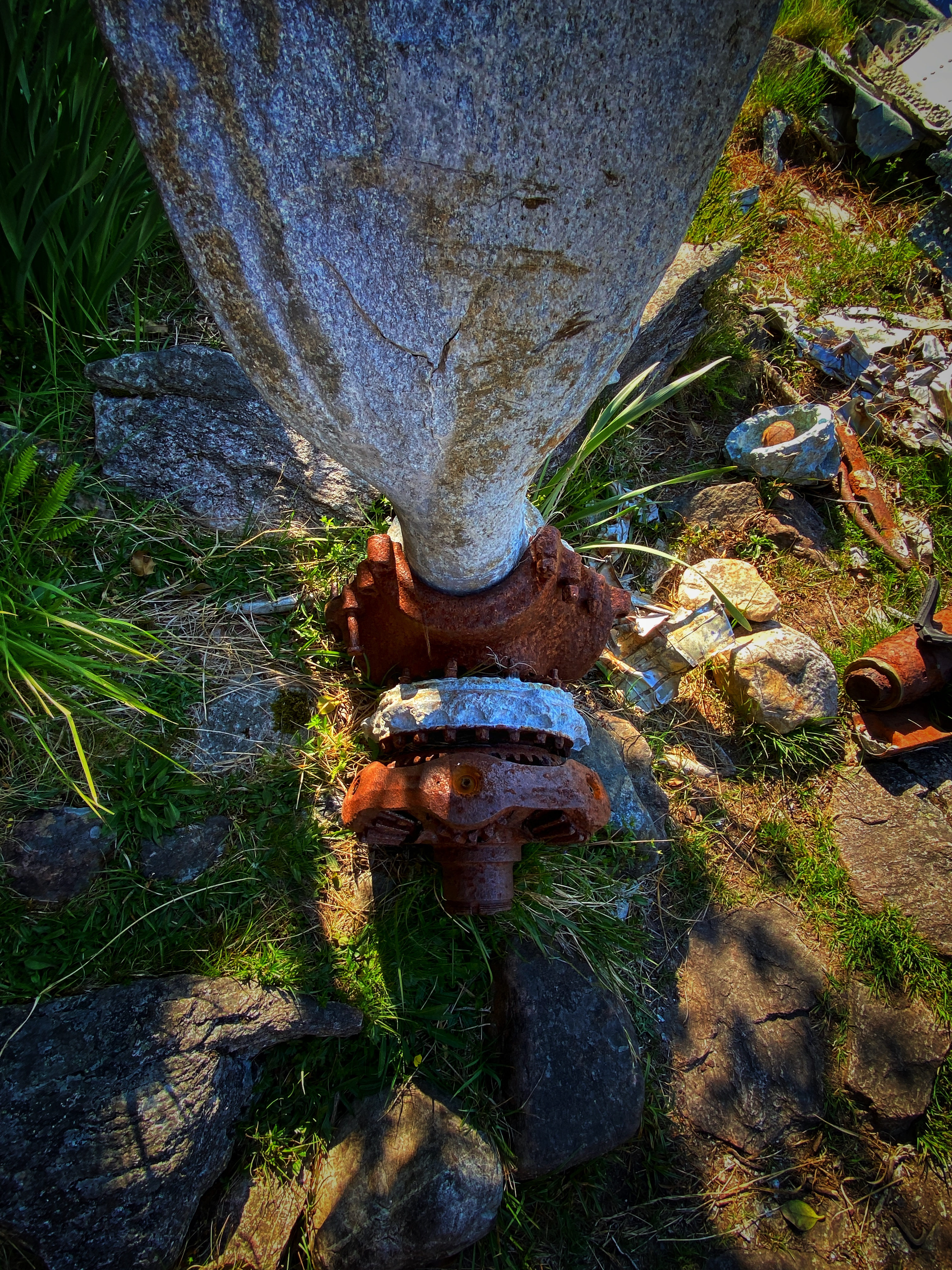
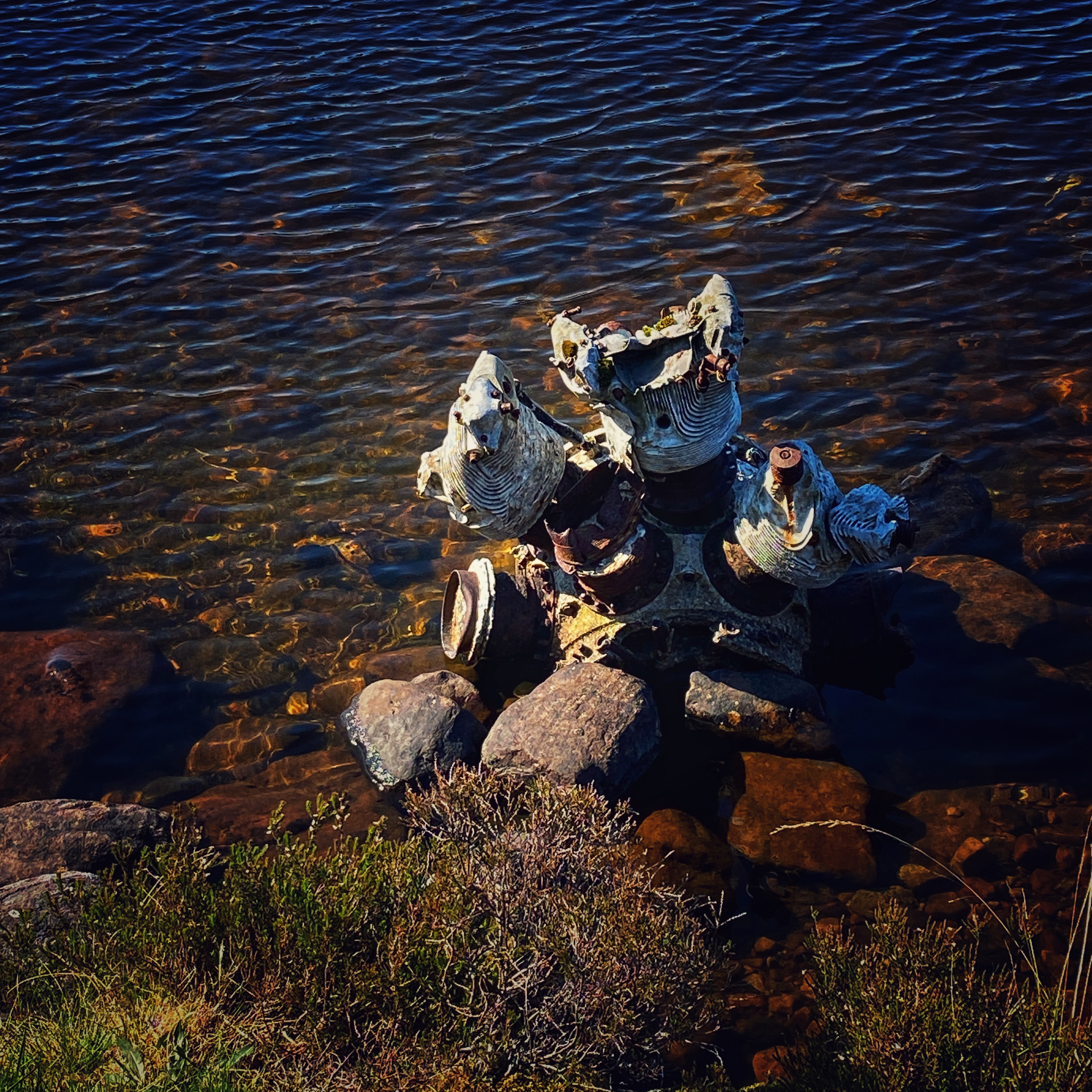
Today, the crash site remains untouched, preserved as a war grave. Wreckage from the aircraft lies scattered around the lochans: fragments of fuselage, a bent propeller, parts of the engine. It is not a formal cemetery—but it is a grave, nonetheless.
No record details the recovery of the bodies. One is left to wonder whether they were buried locally or repatriated. What is clear is that this lonely hillside bore witness to their final moments—and still holds their story.
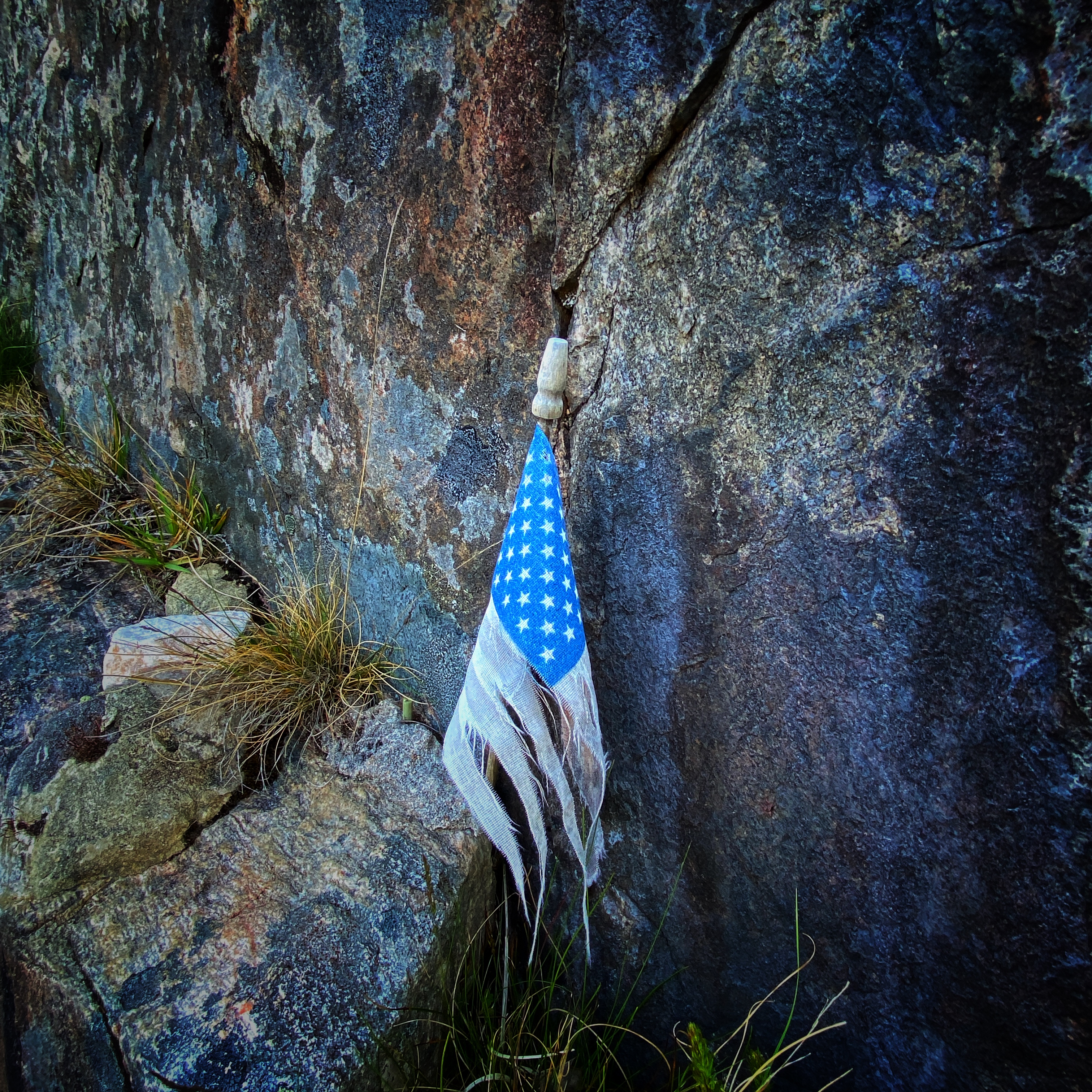
A memorial plaque, placed by the families and friends of the lost men, stands among the remains. It lists their names and honours their memory. Visitors are asked not to disturb the site, to walk gently and carry their respect with them. This is not a place of spectacle. It is a place of silence, of wind over water, and of the quiet echo of a moment in time that changed everything for fifteen families.

🕯️ Read more at Canmore/HER Highland Council
📖 Further information on Wikipedia
How to Visit
To reach the Fairy Lochs crash site:
- Park in the sandy lay-by near Shieldaig Lodge, on the B8056 Redpoint road.
- Walk along the gravel road to Torridon to the right
- Follow the well-worn signposted path past to the left
- Follow the stone cairns that marks the muddy path
- Take the right-hand fork, which skirts the side of Sìthean Mòr.
- keep to the right. The wreckage is visible in the water and across the hillside.

Please remember: this is a war grave. Leave nothing behind, take nothing away.
Publishing this on 12 June – one day before the anniversary – we remember not just the crash, but the people. Young men, homeward-bound, whose journey ended in the Scottish Highlands.
Let their memory endure.


 Graveyards of Scotland
Oh the irony of surviving that horrible long war only to not make it home after the end. Reading, looking at the photos, thinking back to my war, I was blinking back tears of a similar fate to someone undeserving and waiting for a flight home during a rocket attack. Thank you.
Thank you for your moving words, Darrell. I can only imagine the weight of such memories, and I’m touched that the post resonated with you in that way. It’s hard to grasp the cruelty of surviving so much, only to face danger at the very end — and harder still when it mirrors your own experience. I’m grateful you shared this, and I’m honoured the piece brought something meaningful to you. Wishing you peace with those memories, Nellie