

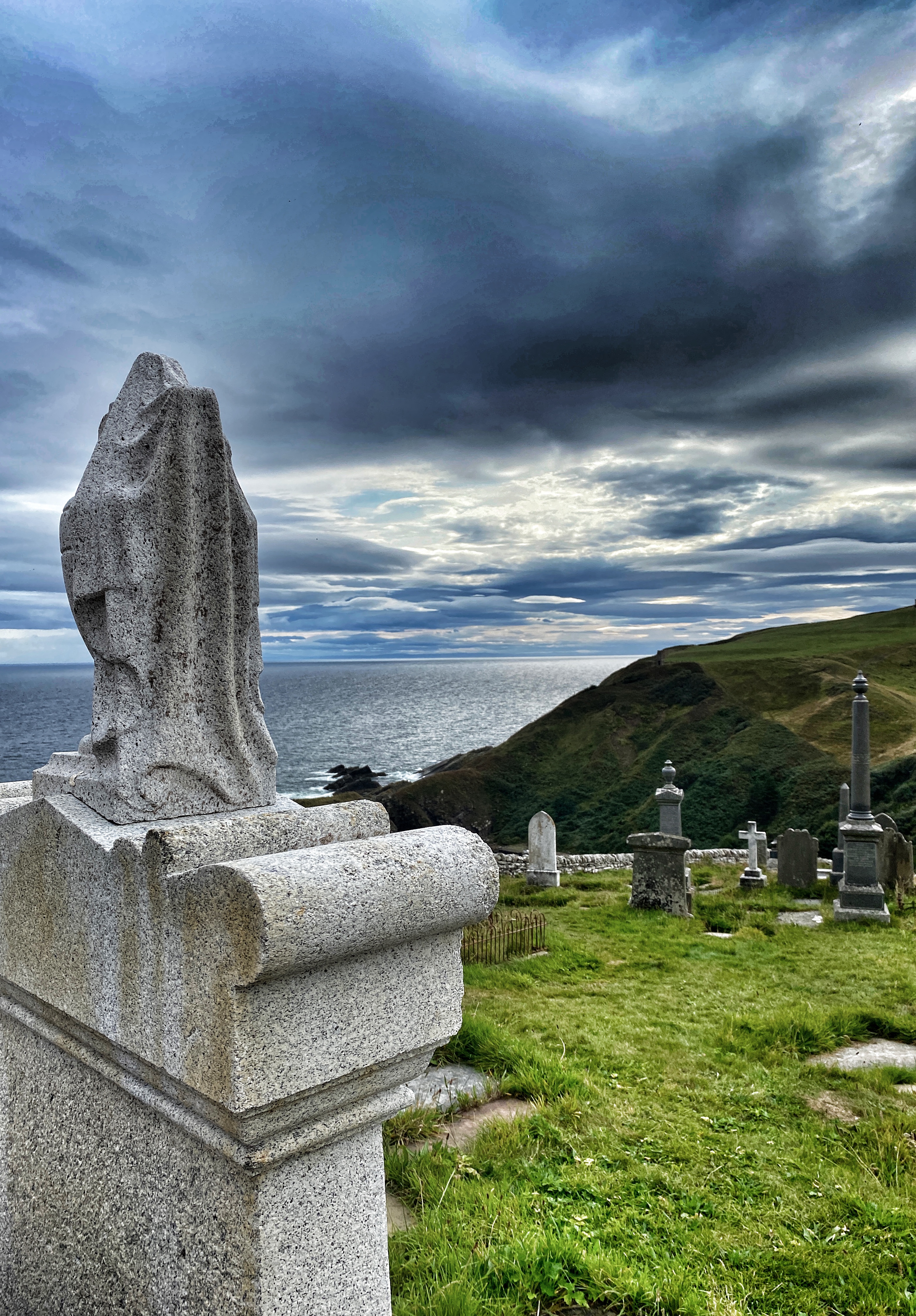
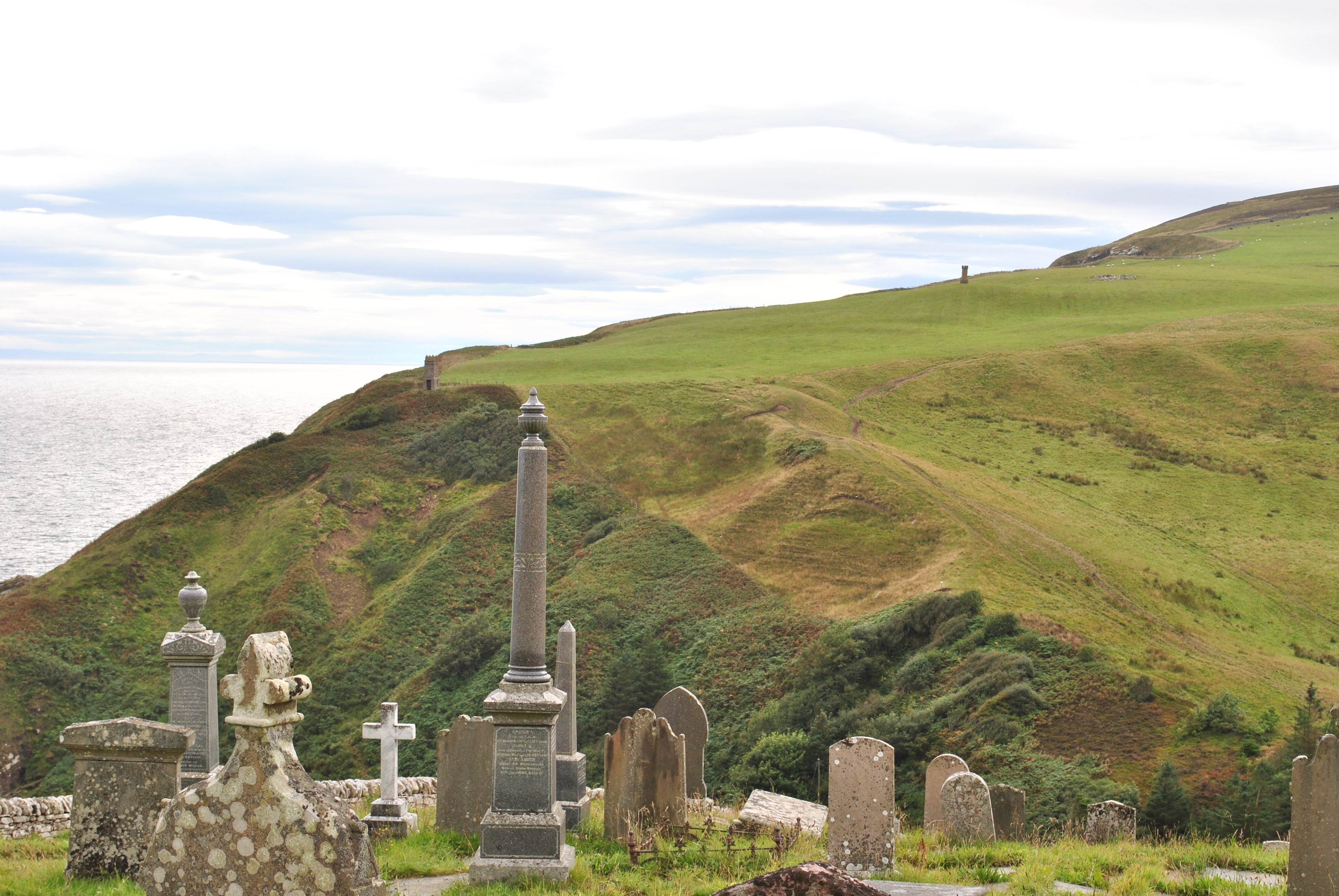
Berriedale graveyard
William Sinclair, who fell at Flodden in 1513, was succeeded in the earldom by his son John, who married Mary Sutherland, daughter of the Laird of Duffus. In the month of May, 1529, John invaded Orkney with a body of 500 men. Various causes are assigned for this invasion, which seems to have been rash and ill-judged.
Some say that he went to assist Lord Sinclair of Ravenscraig, with the object of recovering certain lands which belonged to the latter in that county; others, that he went to support his relative in enforcing his right to the governorship of the castle of Kirkwall, to which he had been appointed, but which Sir James Sinclair, who then held the situation, refused to give up.
Others, the islanders took up arms under the command of their governor, Sir James Sinclair, to oppose the appointment of a crown vassal over the islands.
Whatever the cause, Sir James Sinclair mustered a large body of Orkney men to fight the invasion. The hostile parties met, and a bloody battle was fought at Summerdale, about four miles north-east from Stromness. The Earl of Caithness and all his men were slain, and Sinclair of Ravenscraig was taken prisoner. Many of the Caithness men were killed, retreating from the field. The ferocious islanders gave no quarter, and the unhappy fugitives were butchered in cold blood among the rocks and caves to which they had fled for shelter.
The body of the Earl of Caithness was buried in Orkney, but tradition says that his enemies cut off his head and sent it to Caithness.

Such a terrible loss of lives, occurring so soon after that at Flodden. Scotland was mourning a generation of young men that came to be called the flowers of Scotland. Two fatal expeditions had nearly drained it of all its young and able-bodied men. Among those who accompanied the Earl of Caithness to Orkney was William Sutherland of Berriedale, a young man of gigantic stature.
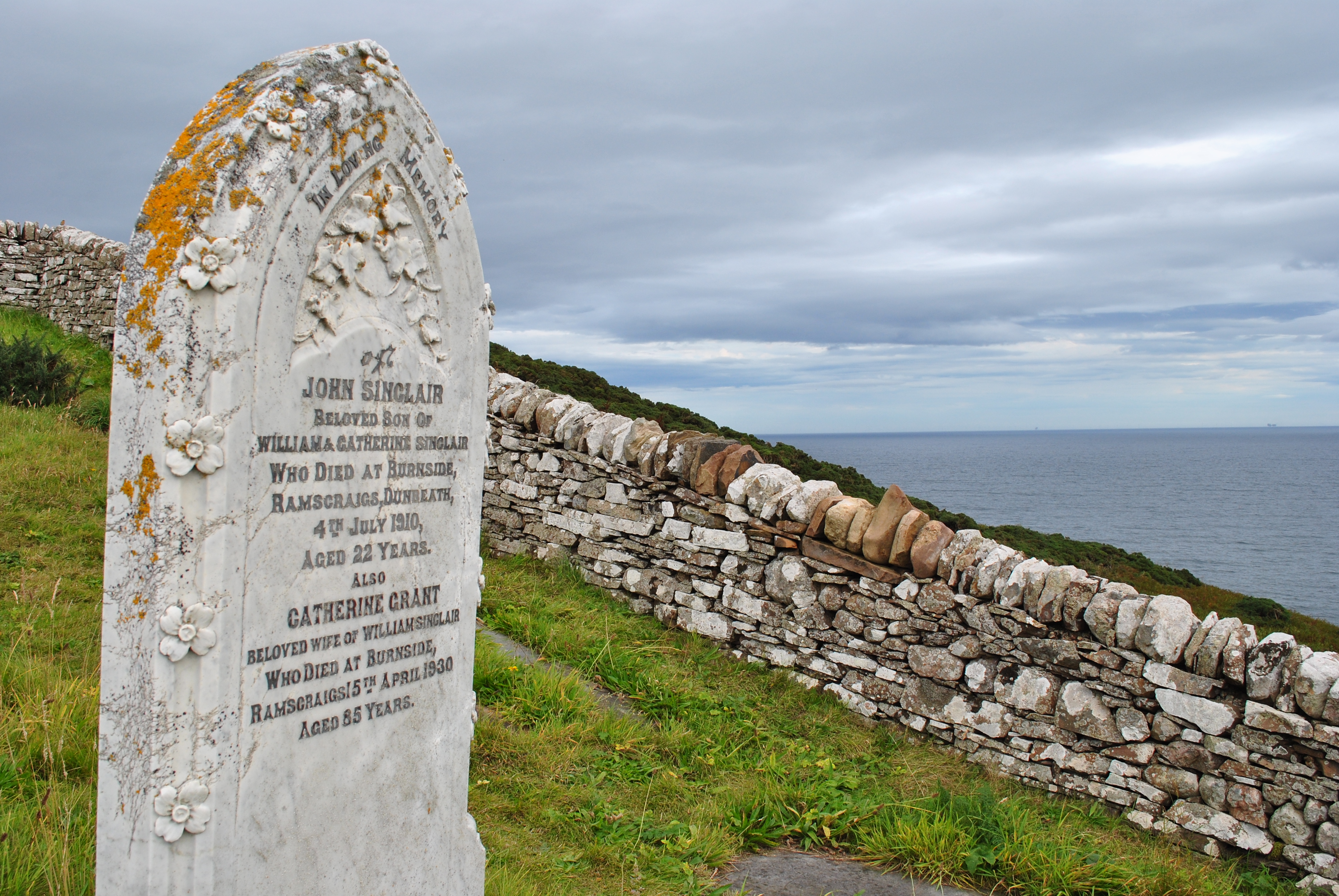
Sutherland, who had some presentiment that he would never return, stretched himself on the ground in the old churchyard of Berriedale before setting out, and caused two stones to be fixed, the one at his head and the other at his feet, which were to be seen for ages after but are not to be distinguished any more.

The distance between the stones is said to have been eight feet three inches. It fell out as he but too truly anticipated: he was slain in Orkney. William Sutherland was proprietor of Langwell, and ancestor of the Brabster family. Of the castle of Berriedale, which the Sutherlands long inhabited, nothing now remains.

Source and further reading: James T. Calder: Sketch Of the Civil and Traditional History of Caithness From the Tenth Century. Murray, Glasgow, 1861

Liked the read? There’s more here…
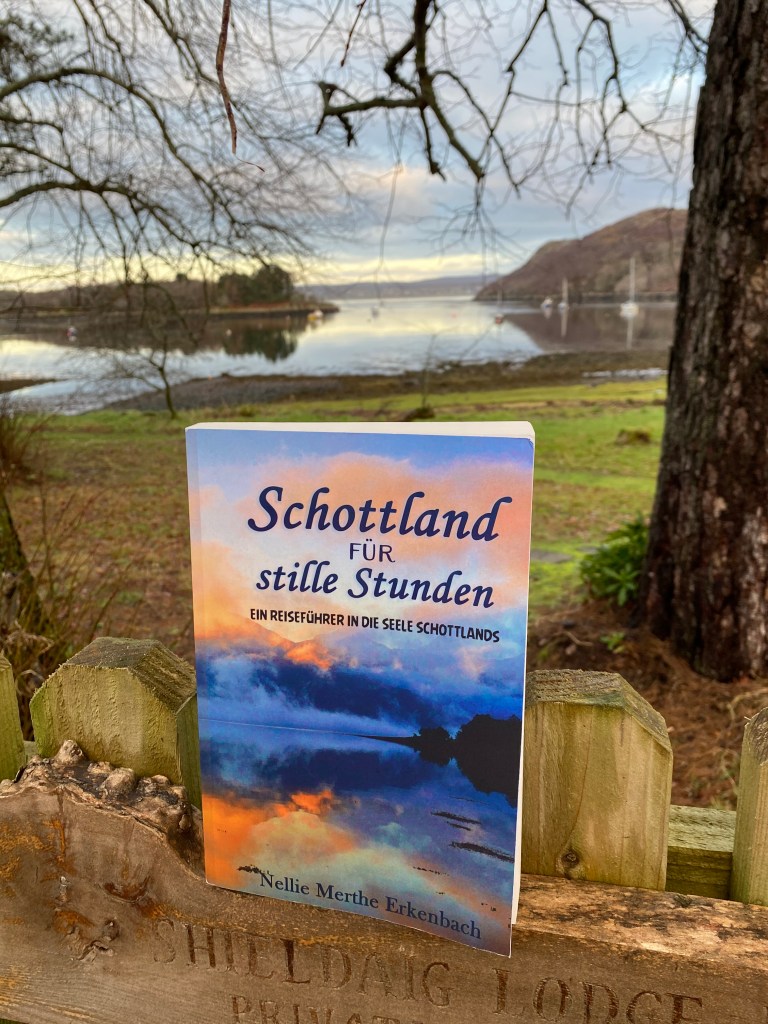
The stories of this book have been discovered and gathered for my blog, Graveyards of Scotland, over many years. Find treasure all over Scotland with my latest book. I am Nellie Merthe Erkenbach, journalist and author.The fairy hill in Inverness, a nitrate murder on Shetland, a family of left-handers, wolves, Robert the Bruce and William Wallace shown in a new light, the secret bay of the writer Gavin Maxwell, a murdering poet and so many things you didn’t know about Scotland, its clans and its history.
My main sources were historical travel guides from the 18th and 19th centuries, where the finds were scary, beautiful, funny, and sometimes, cruel.
This unusual approach to a country’s history has produced amazing results. You don’t have to share my passion for cemeteries to enjoy this book; only a small number of the stories in this collection take place in graveyards, though they do all end in them, so perhaps it helps.


 Graveyards of Scotland
Leave a comment