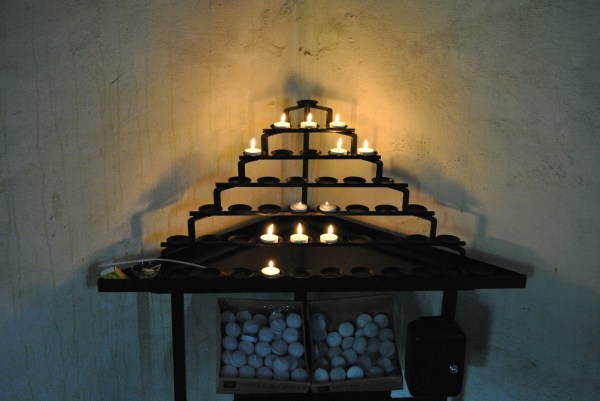
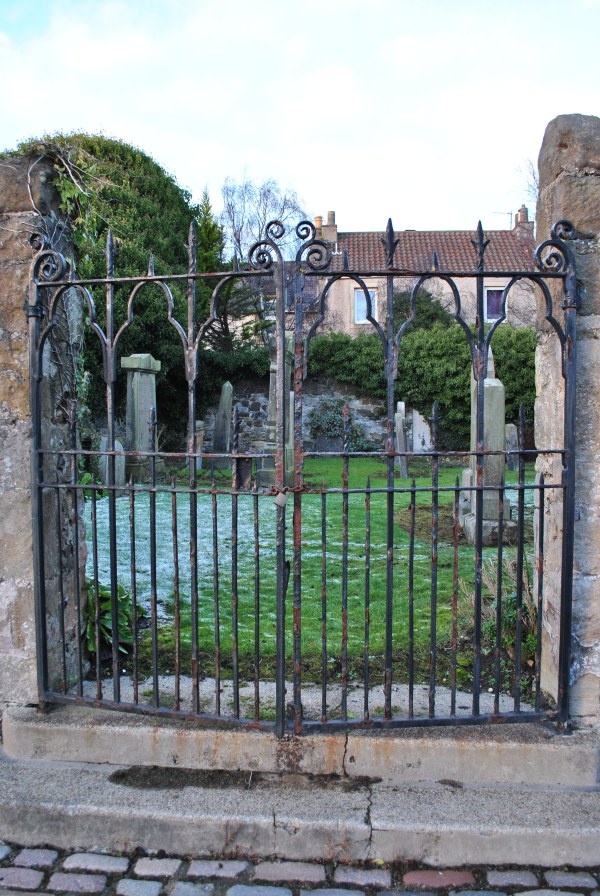
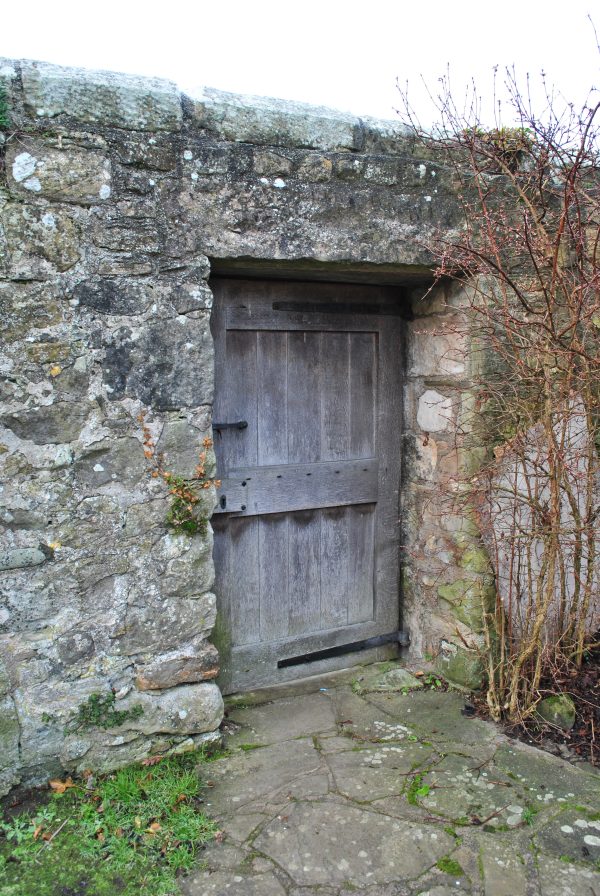
Iona, a beautiful island in the Ross of Mull, is notable for being the burial place of Scottish kings and the birthplace of Christianity in Scotland. Founded by St. Columba in 563, Iona symbolizes peace and purity. Despite the destruction of many Celtic crosses, the island remains historically significant for its monastic legacy and royal history.
vast nothingness
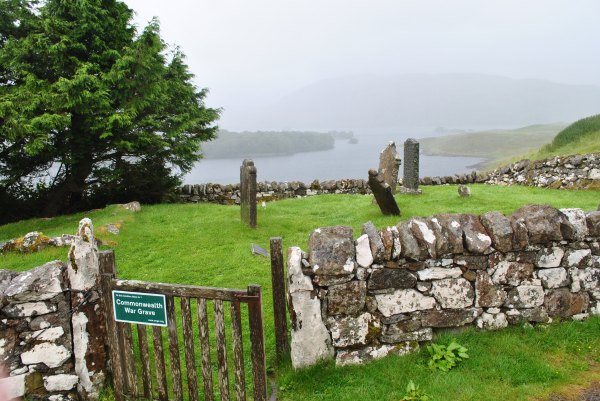
Elphin burial ground, Sutherland This is probably one of the tiniest burial grounds in Scotland. Elphin, a small crofting community in Sutherland. It is so small and apparently so insignificant, that even Elphin’s Wikipedia entry does not count much more than that the village phone and post box to its attractions. In the vast and... Continue Reading →
in the supermarket’s car park
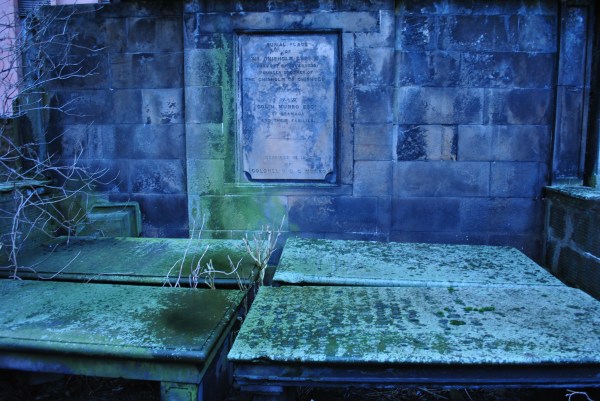
Saint Clement's burial ground, Dingwall This place feels ancient and somehow out of time with the car park and the neon signs of a big supermarket surrounding it. The church is 19th century but this has been a place of worship for much longer. The dead have been buried here for centuries as is indicated... Continue Reading →
black monks
The original Celtic church had no organization, as the new Church of Rome gained in influence, things changed in Scotland. The medieval church saw much innovation. With the beginning of the 12th century influences from abroad began to shape its structure. The Celtic monks disappeared, the Benedictine monks gained influence. The Culdees were the last... Continue Reading →
executed in the graveyard
In the days after Culloden the roads were full of refugees and the makeshift prisons full of Jacobites. More than three thousand were recorded, not just men, women and children as well. Not all of them had been fighting of course, some had just been a bit too sympathetic with the cause of Charles Edward... Continue Reading →
the sailors‘ graveyard
North Queensferry has, as the name suggests, been a town with a ferry connecting South Queensferry with North Queensferry or Edinburgh with Dunfermline, St Andrews and the Kingdom of Fife. The estuary of the Forth has always been difficult to travel but from the earliest days many have done so at a time when Dunfermline... Continue Reading →
the vanished well
Aberdour was a place of worship for centuries, here the pilgrims would come in large numbers but not to see a shrine or the church itself, they came to see the holy well that is no more. It once existed behind this wall in what is now a private garden but has long since been... Continue Reading →
romantic ruin by the sea
St Bridget’s Kirk is one of the truly magical places in the Kingdom of Fife. The former Abbey is overlooking the Firth of Forth, in good weather you can catch a glimpse of the railway bridge. What used to be the center of the old village of Dalgety lies now on the outskirts of Dalgety... Continue Reading →
beauty and reality
Ballachulish, the town at the straights of Loch Leven, has always been synonymous with slate. The famous quarry was established in the late 17th century and is not used any longer, but during the heights of the Industrial Age about 800 men worked in the quarry and the connected businesses. They were mainly producing roof tiles. ... Continue Reading →
gravestone symbols
Muiravonside, surrounded by the river Avon, is the most eastern parish in Stirlingshire, it feels rural here and the graves are old. The early history of the parish is obscure, there are remains of fortified mounds near the river Avon, at Easter Manuel and Sighthill both close to the Edinburgh-Glasgow road and at Castlehill further... Continue Reading →


Recent Comments