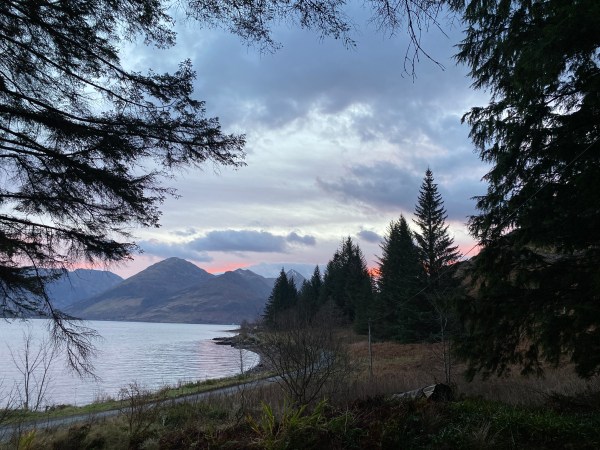
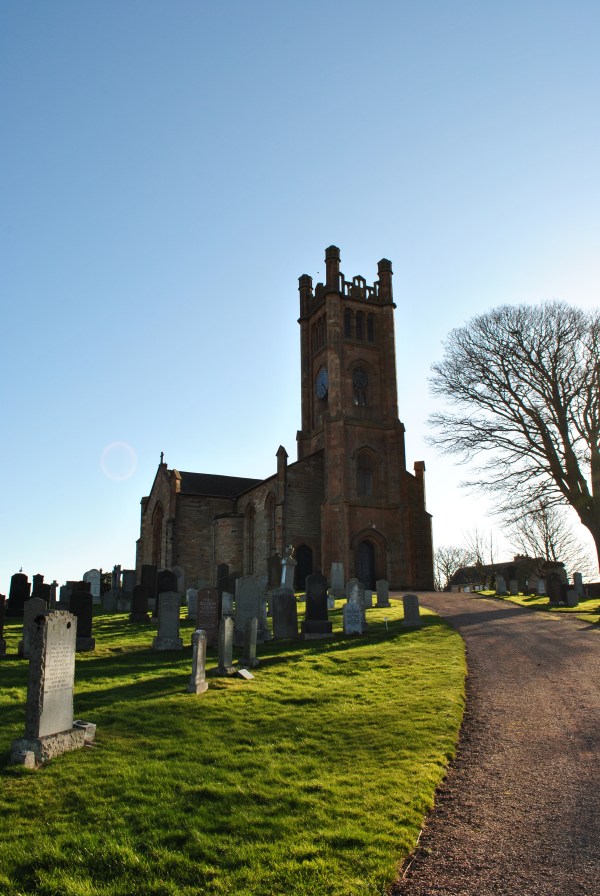
Lochranza, nestled on the northern tip of the Isle of Arran, is known for its breathtaking scenery and rich history. The village is dominated by the imposing ruins of Lochranza Castle, but just as captivating is St. Brideโs Church and its surrounding graveyard.
Explore Cill Fhearchair: Scotland’s Hidden Burial Ground
Nestled near the tranquil shores of the River Croe, Cill Fhearchair stands as a silent testament to Scotland's rich and enigmatic history. Often overlooked by travelers and even locals, this disused burial ground holds mysteries that beckon historians and enthusiasts alike.
Rediscovering St. Kentigerna: The Hidden History of Saraig and Loch Duich
The rediscovery of St. Kentigernaโs burial site and the nearby connections to St. Fillan would offer a unique opportunity to reconnect Loch Duich with its rich spiritual heritage. These saints were more than historical figuresโthey embodied the early Christian spirit that shaped the Highlands. If you have any leads, memories, or photographs that could aid in locating the graveyard, please share them. Together, we may rediscover and preserve an essential chapter of Scotlandโs past, honouring the legacy that still resonates along the northern and southern shores of Loch Duich.
Kilcalmonell Cemetery – From Medieval Gravestones to Clan McAlister Legacy
Kilcalmonell Cemetery is located in the village of Clachan, Kintyre. This ancient burial ground, part of the Kilcalmonell Parish Church, offers a fascinating glimpse into Scotland's past, from medieval times to the modern era.
Wife in Fife
It was in Fife that the first collection of Scottish proverbs was made by David Ferguson, minister of Dunfermline. Ferguson's collection, though published only in 1644, nearly fifty years after his death, had been made during his life in the latter half of the sixteenth century. This is a collection of sometimes odd and often amusing sayings.
Campbeltown Cross
Campbeltown Cross has a special place in the hearts of the local community, a respect observed regularly by its circumnavigation prior to all weddings and funerals.
women in beds
It is the end of the world. At least as far as Google Maps is concerned. It is literally the end of the road, however. You will need to park your car somewhere near then old red phone box and cross the old stone bridge across the Berriedale Water to access the Braemore Estate. A short walk along the river takes you to a few farm buildings until to your right the pathway to the Braemore burial ground emerges. It is small and not in use any longer, but beautifully situated in this rural setting. As is so often the case โ a beautiful and remote place in Scotland has an interesting and cruel history. This is a tale of women taken from bed, taken to beds, staying in them and refusing to leave them.
The Strathmore Sapper
Most of the headstones are indecipherable now. Time has taken its toll amongst the engravings. But there is one war grave among the withered stones, to the memory of John William Campbell of the Royal Engineers, who died January 3rd, 1944, at the age of 27. A man mourned by his family and friends in this remote and scarcely populated part of the country close to the river Thurso.
sailors, popes and suffragettes
This place is so absolutely not what it looks like and bears far more depth, surprises and secrets than most of the graveyards I have been to in Scotland. And believe me, I have been to a lot.
a lost generation
Sutherland, who had some presentiment that he would never return, stretched himself on the ground in the old churchyard of Berriedale before setting out, and caused two stones to be fixed, the one at his head and the other at his feet, which were to be seen for ages after but are not to be distinguished any more.


Recent Comments