The Moor of the Stone-Ghosts โ€“ Machrie Moor and the Ancient Echoes of Arran

Machrie Moor, located on the Isle of Arran, features ancient stone circles steeped in mystery and folklore. Known in Gaelic as "The Moor of the Standing Stones," it evokes eerie connections to ghostly spirits. The site endures numerous excavations, symbolizing forgotten pasts and hidden secrets that echo throughout the landscape, enriching narratives such as in "Das Grab am Meer."

Dalnawillan Graveyard, Caithness

Dalnawillan has been a focal point of history for centuries, with its roots deeply embedded in the cultural fabric of Caithness and Sutherland. The graveyard, quiet and secluded, stands as a testament to the lives and legacies of the people who once called this place home. You have to face a 6 mile walk along a private road to reach it. There's no access by car.

Campbeltown Cross

Campbeltown Cross has a special place in the hearts of the local community, a respect observed regularly by its circumnavigation prior to all weddings and funerals.

The Strathmore Sapper

Most of the headstones are indecipherable now. Time has taken its toll amongst the engravings. But there is one war grave among the withered stones, to the memory of John William Campbell of the Royal Engineers, who died January 3rd, 1944, at the age of 27. A man mourned by his family and friends in this remote and scarcely populated part of the country close to the river Thurso.

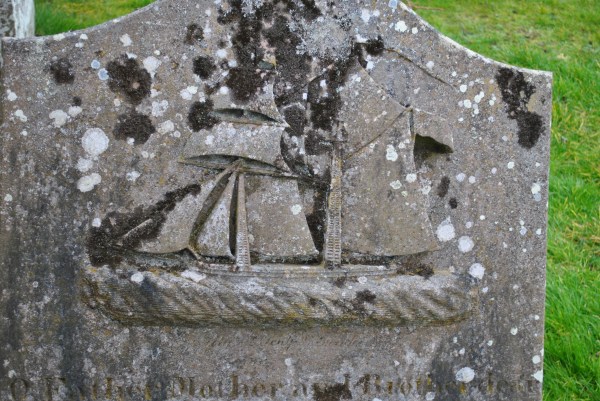
the dangers of the deep

Balmerino Cemetery Oh father mother and brother dear Weep not for us though sleeping here For in one time we think to rise And strive to gain the glorious prize. Fishermen, sailors, merchants and workers in the fish industry โ€“ the people of Fife have always had a special relationship to the sea. Not surprising... Continue Reading →

The Mason’s Mausoleum

The austere pyramid is an unusual sight and certainly an uncommon style for am mausoleum in Scotland. The reason being not an architectural fancy or fashion but the stong faith of its creator - Francis Wemyss Charteris was a Freemason The mausoleum was built between 1795 and 1798. Thomas Harrison of Lancaster assisted. It was a precicely thought through built. The look of simplicity is devceiving, there is more to it than meets the eye. Tributes have been paid to Masonic symbology, numerology and geometry. Here are just a few examples.

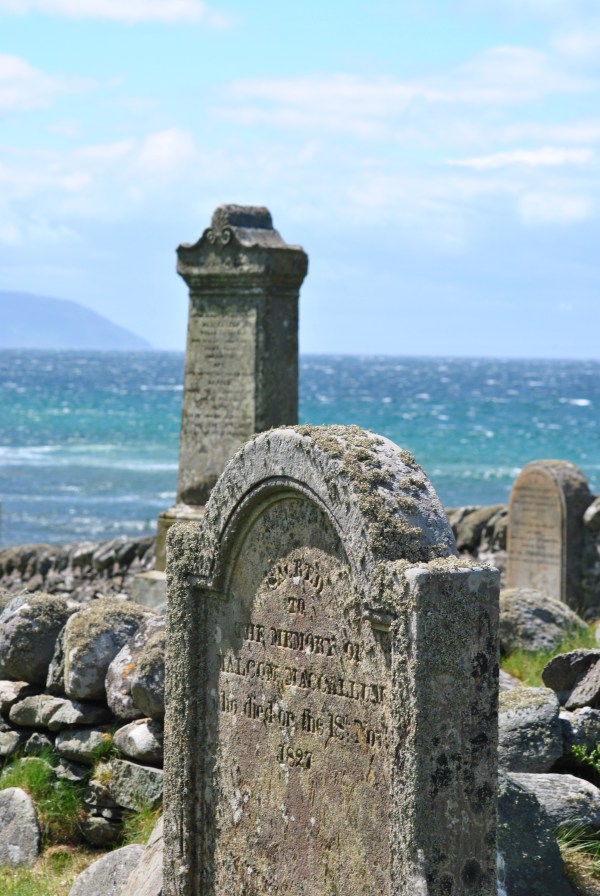
burial place of the drowned

The sea has taken lives all around Scotland and many bodies have been washed on her shores over the centuries. This is a burial ground that takes its origin in lives lost at sea, situated closely to the dazzling and deadly blue waves of Scotland's shores.

Blog at WordPress.com.

Up ↑