

A Monument to Aberdeen University’s Visionary Founder
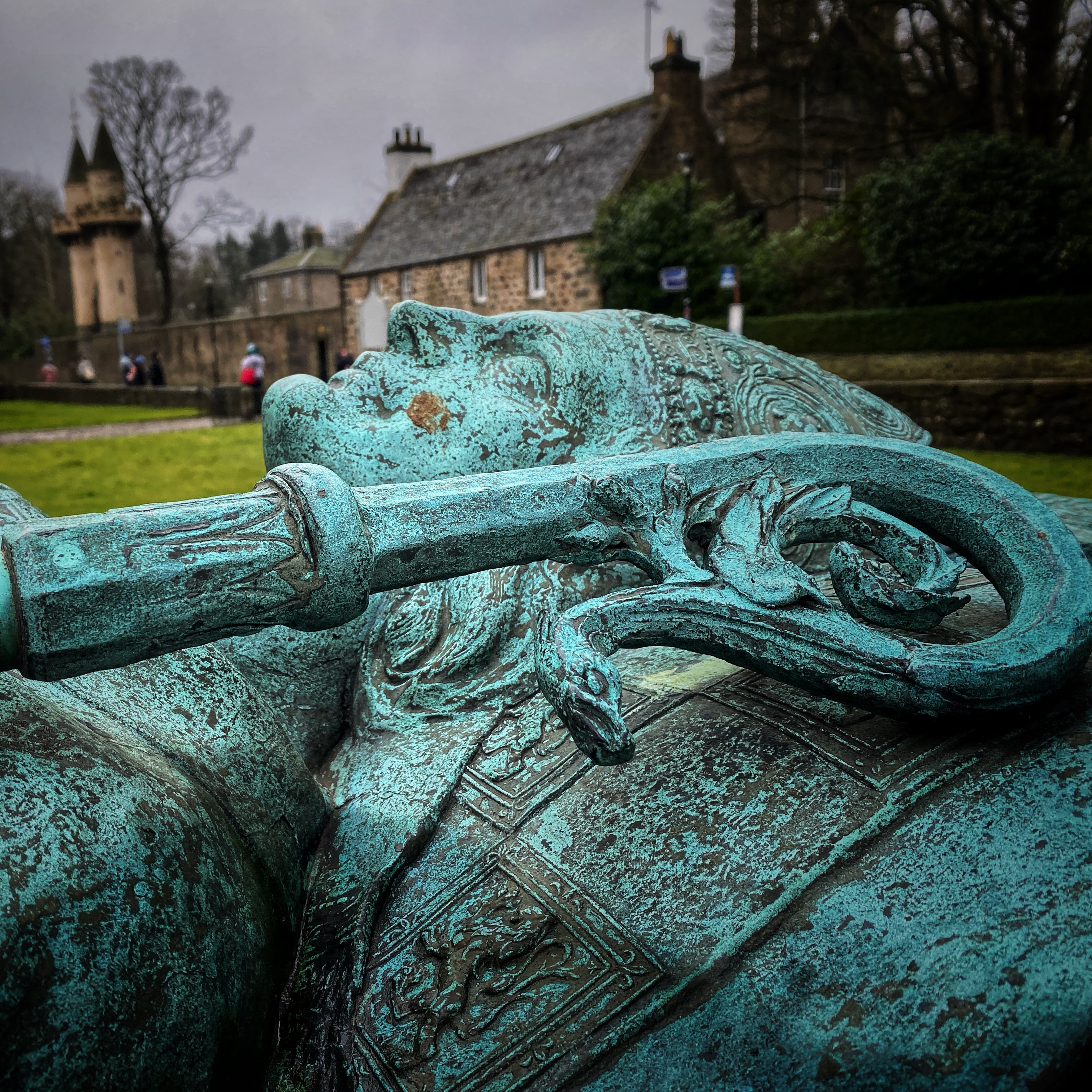
If you ever find yourself wandering through the ancient heart of Old Aberdeen, make sure to step into the breathtaking King’s College Chapel. There, nestled in quiet reverence, lies a tomb unlike any other—the final resting place of Bishop William Elphinstone, the man who quite literally put Aberdeen on the academic map.
But this is no ordinary grave. It’s a masterpiece of craftsmanship, a story in stone and bronze, and a monument to a man whose vision still shapes the city today. Let’s dive into the tale of this remarkable tomb, the legacy of the man beneath it, and the fascinating (and slightly chaotic) journey it took to exist at all.

Who Was Bishop William Elphinstone?
Before we get to the tomb itself, let’s talk about the man, the myth, the medieval academic legend—William Elphinstone. Born in 1431 in Glasgow, he was the kind of person who probably would have had three PhDs by the time he hit 30 if that had been a thing back then. He started as a lawyer, then became a priest, then a professor, and finally a bishop and advisor to the King of Scotland.
His greatest achievement? Founding the University of Aberdeen in 1495, making it Scotland’s third-oldest university (after St Andrews and Glasgow). He wanted to bring education to the north, ensuring that Scotland’s brightest minds didn’t have to trek all the way to Paris or Rome for a decent degree. Without him, who knows? Maybe Aberdeen would have just been famous for its granite and seagulls.
Elphinstone was a man of vision, intellect, and relentless determination, but even visionaries can’t live forever. He passed away in 1514, leaving behind a thriving university—but oddly enough, not a tomb fit for his legacy.
A Delayed Tribute: The Tomb’s Bumpy Journey
Now, you’d think that someone of Elphinstone’s stature would have had an elaborate tomb ready to go, right? Wrong. In fact, centuries passed without a proper memorial. It wasn’t until 1910 that the University of Aberdeen finally decided to fix this historical oversight.
A committee was formed, a plan was drawn up, and after much discussion (because committees love a good discussion), they hired Henry Wilson, a renowned English artist from the Arts and Crafts Movement, to design a tomb worthy of a medieval scholar-king.
Easier said than done.
The project faced delays, budget issues, and creative disputes, but Wilson refused to cut corners. His work was detailed, intricate, and filled with symbolism—every statue, every carving, every bronze embellishment meant something. Finally, in 1915, the masterpiece was installed.

A Monument Like No Other
So what makes Elphinstone’s tomb so special?
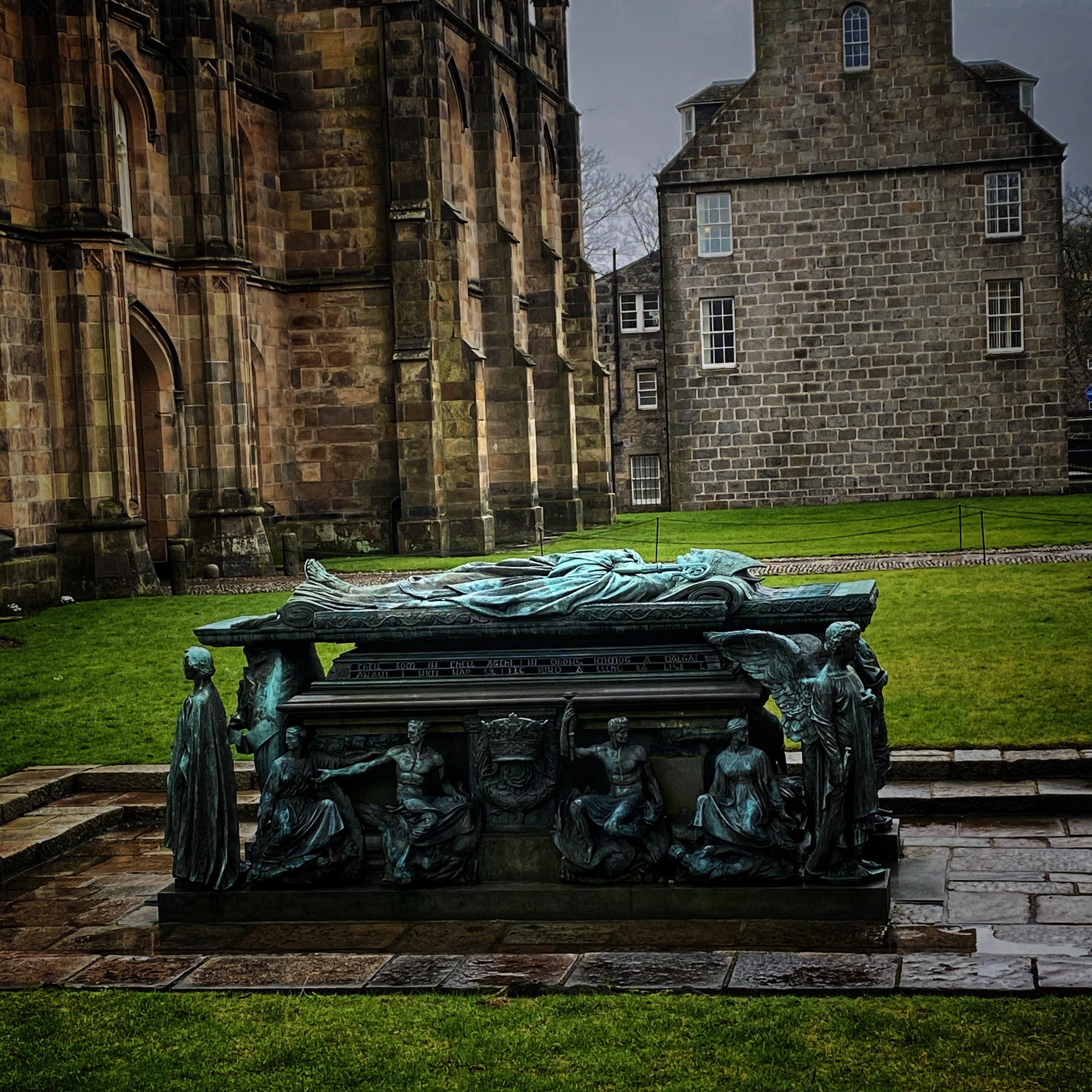
For starters, it’s breathtakingly detailed. The bronze effigy of the bishop lies in eternal rest, his hands gently folded, while allegorical figures surround him, representing knowledge, faith, and wisdom. It’s a blend of medieval grandeur and early 20th-century artistic brilliance, merging past and present in a way that would make any historian swoon.
Originally, the tomb was placed inside the choir of King’s College Chapel, but in 1946, it was moved to a more prominent spot near the entrance, where visitors could appreciate it properly. And let’s be honest—it’s too spectacular to be hidden away.

Why You Should Visit
Even if you’re not a history buff, there’s something deeply moving about standing before Bishop Elphinstone’s tomb. It’s a reminder of the power of education, the endurance of a great legacy, and the sheer artistry that goes into preserving history.
Whether you’re an Aberdeen local, a university student, or just someone who loves uncovering hidden historical gems, this tomb is worth a visit. Take a moment to admire the craftsmanship, reflect on the life of a man who changed Scotland forever, and—if you’re feeling particularly inspired—maybe even whisper a quiet thank you to Bishop Elphinstone.
After all, without him, Aberdeen might not be the vibrant university city it is today.

So, next time you’re exploring Old Aberdeen, pop into King’s College Chapel and say hello to the man who brought education to the north. His tomb isn’t just a monument—it’s a story carved in stone and cast in bronze, waiting for you to discover.
sources and further reading:
https://www.undiscoveredscotland.co.uk/usbiography/e/williamelphinstone.html


 Graveyards of Scotland
Leave a comment