
Book 1 in the Highland Crime Series with Campbell & Hartmann is now available as an audiobook at Audible, narrated by the beautiful voice of the fabulous Charles Robert Fox.
Experience Highland Mysteries with Shadows Over Skiary

Book 1 in the Highland Crime Series with Campbell & Hartmann is now available as an audiobook at Audible, narrated by the beautiful voice of the fabulous Charles Robert Fox.

Adam and Eve Stones Fruit is not one of the first thoughts that spring to mind when it comes to cemeteries. Forbidden fruit is a different matter for it is part of Christian belief. Once taken from the tree of the knowledge of the good and the evil, it might not be deadly it but... Continue Reading →

Midmar, Aberdeenshire, rich farming land in Scotland's rural East. On first sight no particularly special place, no touch of holiness, not mythical or magical. It takes a second look to see what has been. This is a sacred place and has been for thousands of years. Midmar Stone Circle A stone circle dating back as... Continue Reading →

This is a tale about a chapel, a saint and a bishop and rather surprisingly in that context, a tale about destruction, castration and a proud heart. The Isle of Skye at its wildest! The tale unfolds on graveyard on a small island in the river Snizort , just a few miles off Portree, and... Continue Reading →

Rhynie is first and foremost known for its Pictish symbol stones, on display next to the graveyard in the adjacent car park under an open wooden construction. The graveyard itself is old, too. The place-name Rhynie or sometimes also spelled Rhyny derives either from the French word roinneau, meaning a small promontory or from the word rig, meaning... Continue Reading →
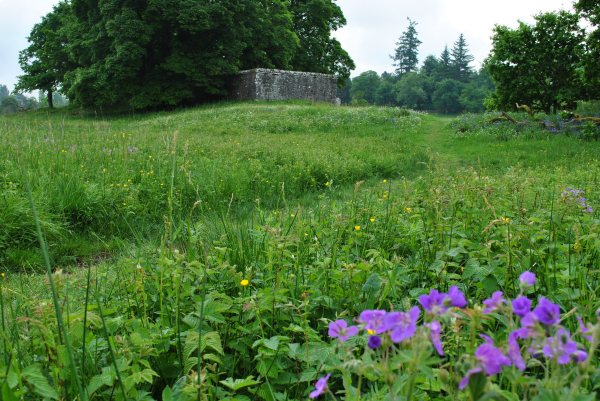
The path to Little Leny, the Buchanan burial enclosure starts here, in the floodplains of Callander Meadows in the Trossachs. To access the site you cross the former railway line. This field is the second step on the way to the ancient and picturesque graveyard. And thy skull is a sort Of garrison... Continue Reading →

Campbeltown Cross has a special place in the hearts of the local community, a respect observed regularly by its circumnavigation prior to all weddings and funerals.

The Wolf of Badenoch and the destruction of Elgin Cathedral History tells us many things - battles fought, lands lost or gained, it mentions titles, deeds and marriage contracts but very rarely does it tell us anything about the humans affected by those facts. When it comes to women the information gets even scarcer. Their... Continue Reading →

This place is so absolutely not what it looks like and bears far more depth, surprises and secrets than most of the graveyards I have been to in Scotland. And believe me, I have been to a lot.
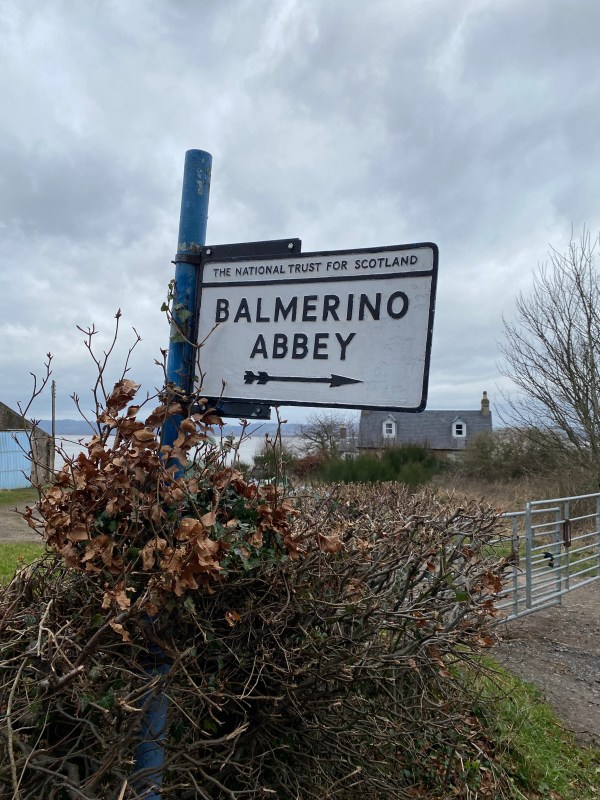
Balmerino Abbey was founded by a woman who is believed to be buried here: Queen Ermengarde de Beaumont, not a “normal” woman by any standards. The Abbey is in a bad state and there is not much left of its original power and impressive architecture, nothing but the faint memory of people and their stories in a long gone past. Ermengarde was born in 1170 and died in her early sixties, a long life in the 12th century. She was married to King William I of Scotland at the age of 16. The marriage took place in England, Henry II was overlord of Scotland at the time. Her husband had been a notorious womaniser before his marriage but was said to have been faithful to his extraordinary woman and wife ever since the marriage vows. Her husband founded an Abbey in Arbroath where about 14 years later he was laid to rest. Ermengarde, who survived her husband by 20 years, was not buried next to him, but here, in her Abbey, in Balmerino.

Lindisfarne graveyard on Holy Island, Northumberland, symbolizes centuries of faith and history, overlooking Lindisfarne Priory’s ruins. A significant site since the 7th century, it holds the remains of islanders and clergy. The graveyard fosters reflection and connection to St Cuthbert, attracting visitors seeking inspiration and tranquility amid a sacred legacy.
Bamburgh, with its dramatic coastal setting and rich history, has revealed yet another fascinating chapter of its past. Decades of dedicated research by the Bamburgh Research Project and Durham University, in collaboration with the Bamburgh Castle Estate, have shed light on the lives of Anglo-Saxons who inhabited this area over a thousand years ago. The […]

Grace Darling, born in 1815, became famous for her courageous sea rescue of Forfarshire survivors in 1838. She passed away in 1842 and is buried in Bamburgh, where a monument marks her legacy. Celebrated in literature and art, her story inspires future generations, symbolizing bravery and compassion.
 Graveyards of Scotland
Recent Comments